
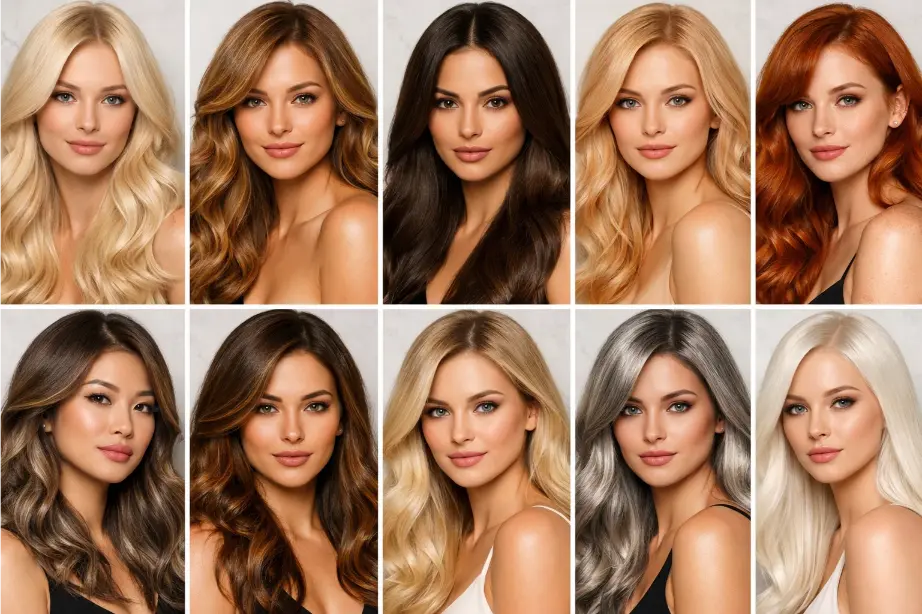
Every year brings a fresh wave of inspiration to the salon chair, but 2026 feels different. This is the year where hair color moves away from shock value and steps firmly into the territory of intention, sophistication, and personal meaning. Whether you are a natural blonde looking to deepen your warmth, a brunette craving something richer, or someone ready to experiment with a hint of color, 2026 has something extraordinary waiting for you. The overarching theme across all the leading trends this year is that hair should look healthy, seamless, and genuinely like it belongs to you. With that in mind, here are the ten most compelling hair color design ideas shaping 2026, along with the shades and highlight techniques driving them.
1. Warm Vanilla and Buttery Blonde
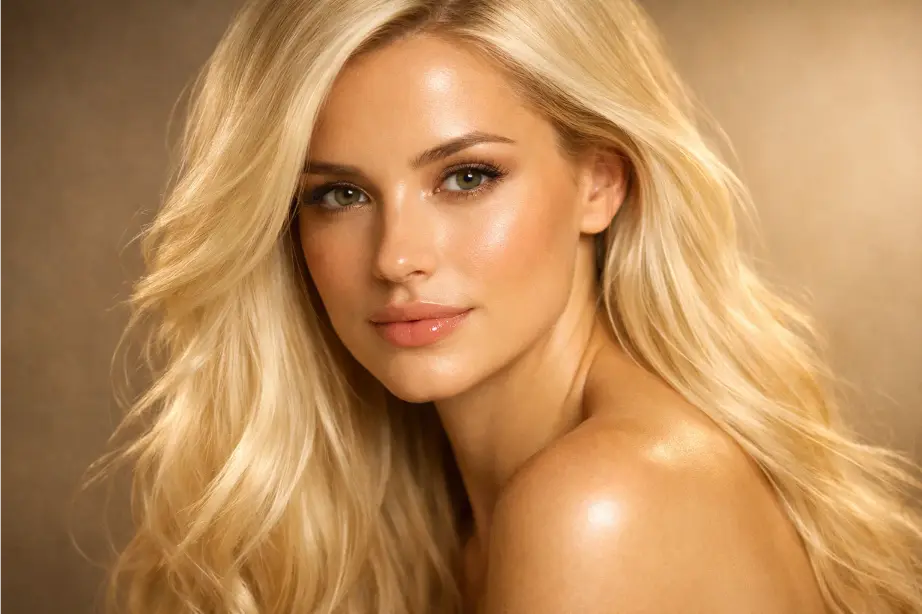
The icy, platinum-heavy blonde era is officially behind us. In 2026, blonde is getting warmer, creamier, and far more approachable. Vanilla blonde and buttery blonde sit at the top of every colorist’s request list this year, offering a soft, pearlescent finish that catches light in the most flattering way imaginable. These shades work beautifully across a wide range of skin tones because they are neither too golden nor too cool. They sit in that sweet spot where hair appears genuinely sun-kissed rather than chemically altered. For those who want a low-maintenance option, vanilla blonde grows out gracefully, blending naturally into your roots without a harsh line of demarcation.
2. Teddy Bear Blonde with Caramel Depth
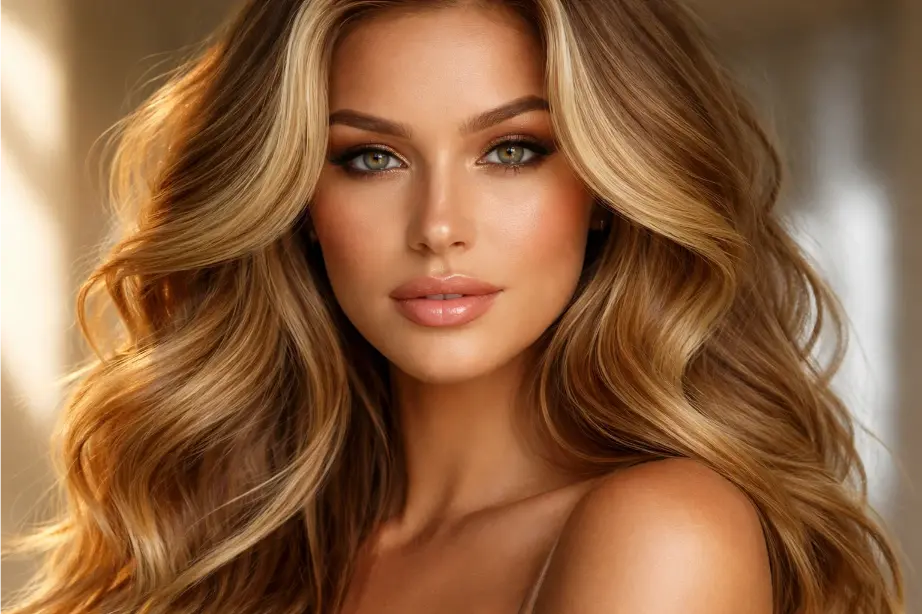
Building on the warm blonde movement, teddy bear blonde brings dimension and richness into the equation. Think honey, toffee, caramel, and gold layered together to create a multidimensional effect that feels luxurious and cozy at the same time. This is not a flat, single-process blonde. It is a carefully crafted combination of shades designed to give hair movement, warmth, and that coveted expensive finish. Colorists achieve this look through strategic placement of lighter pieces around the face and warmer, deeper tones throughout the mid-lengths and ends. The result is a shade that looks as though it was kissed by sunlight rather than created in a bowl.
3. Truffle and Lush Brown Tones
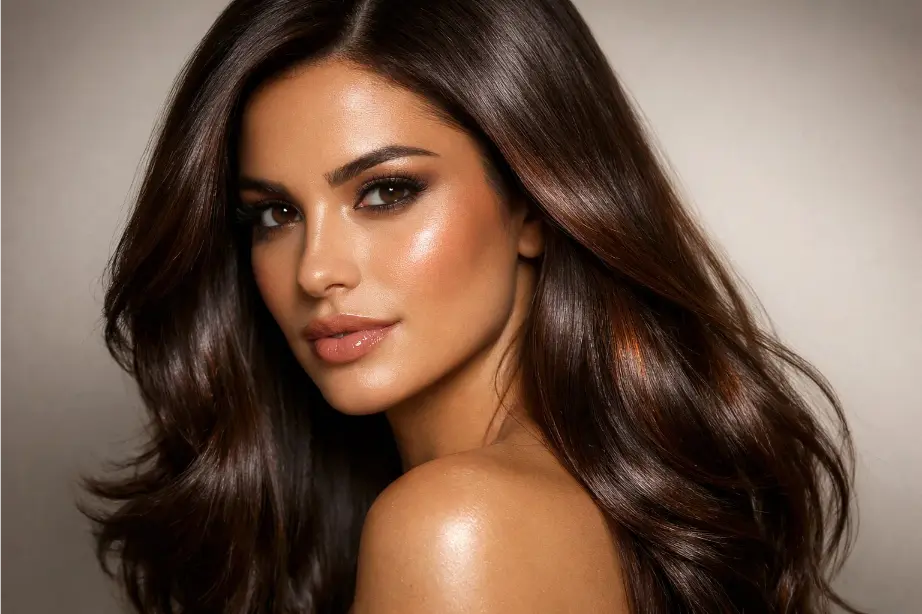
On the brunette side of the spectrum, truffle brown is the shade everyone will be asking for in 2026. Described by colorists as a sophisticated, warm-toned brunette with indulgent depth and a slight reddish glow, truffle sits between classic chocolate brown and auburn. It flatters every hair texture and pairs particularly well with semi-permanent color treatments that add hydration alongside pigment. This shade represents a broader shift away from the cooler ash browns that dominated for years. Brunettes in 2026 want warmth, richness, and a glossy finish that looks healthy from root to tip.
4. Apricot Blonde for the Bold
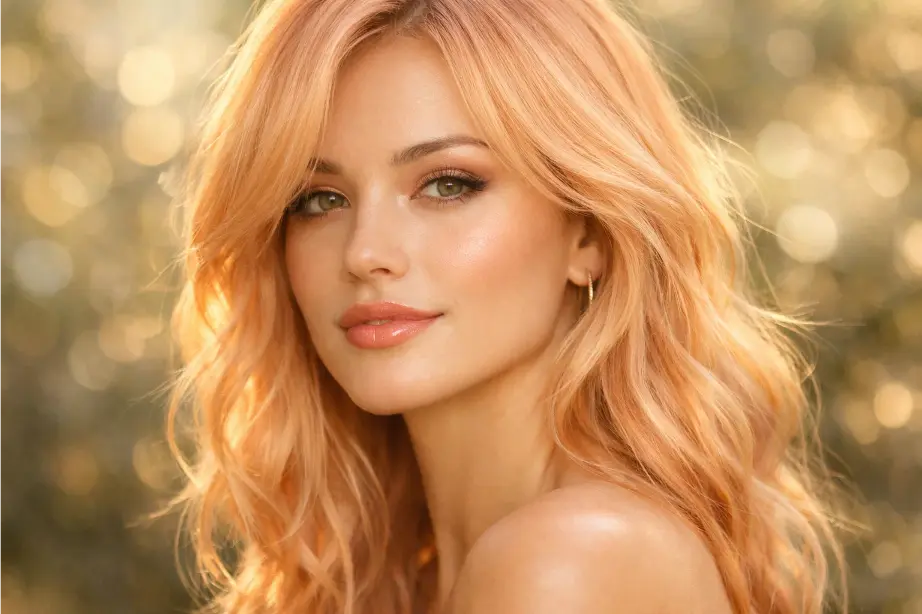
If you want to stand out without going fully vivid, apricot blonde is the answer. This peachy, warm shade bridges the gap between blonde and copper, creating a result that reads as effortlessly natural yet undeniably striking. Apricot blonde photographs beautifully in natural light, which has contributed enormously to its growing popularity. It works on both natural blondes and darker brunettes who want to introduce warmth and vibrancy into their look. The key to pulling off apricot blonde is seamless blending. Colorists use balayage and toning techniques to create a result that feels organic rather than obviously dyed.
you may also like this: Trendy Bob Haircuts Are the Best: 13 Bob Haircuts Design Ideas with Layers
5. Copper and Ginger Brunette
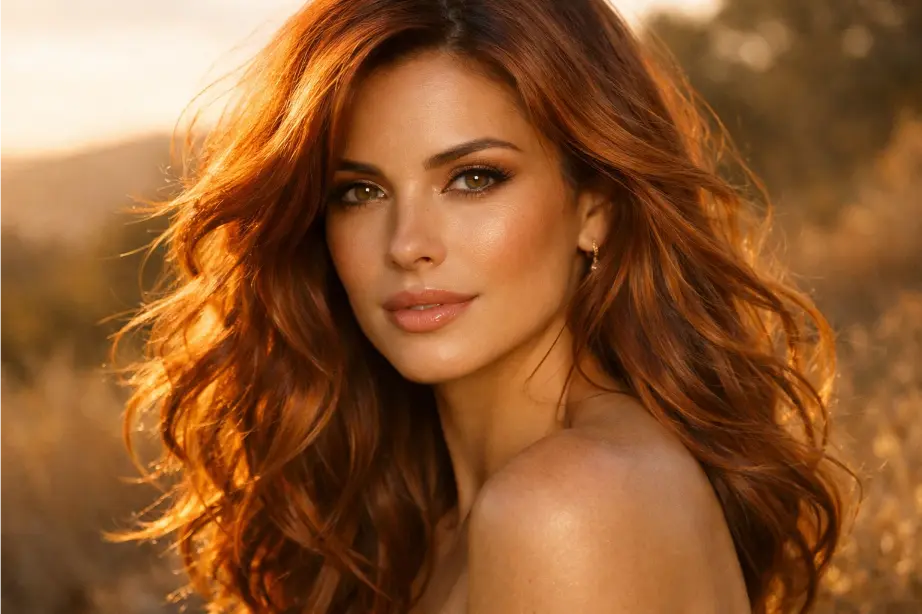
Copper has been building momentum for several years, and in 2026 it reaches a new level of refinement. This year’s copper is not brash or overpowering. Instead, it leans toward burnished auburn, cinnamon undertones, and warm amber, creating a shade that glows against the skin rather than clashing with it. Ginger brunette, a close cousin of classic copper, blends fiery red-orange tones with soft chocolatey depth for a versatile result that can lean warmer or richer depending on your natural base. Both shades suit a remarkably wide range of skin tones and add an instant luminous quality to the complexion.
6. Ecru and Mushroom Highlights
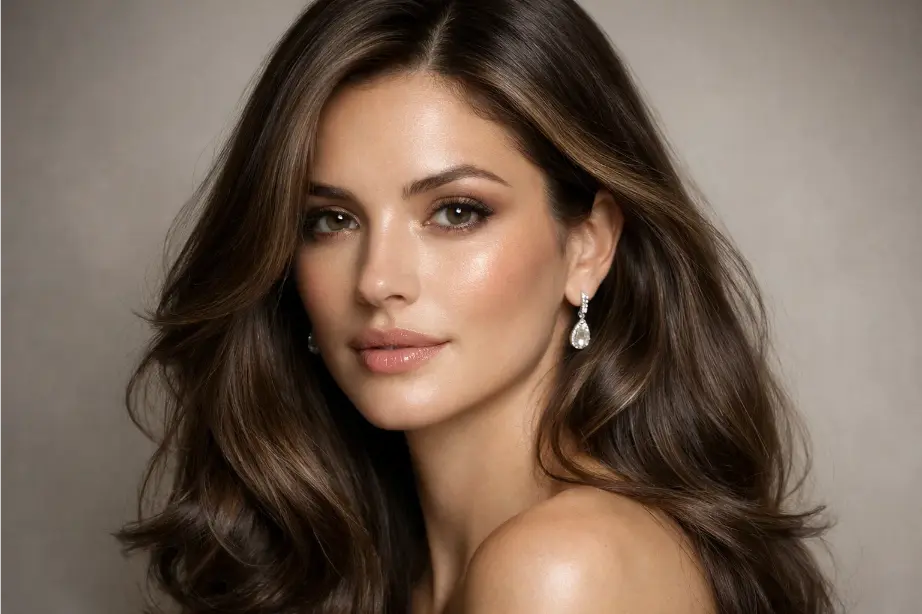
For those who prefer subtlety, ecru and mushroom tones offer one of the most refined highlight options of the year. Ecru is a soft, warm neutral reminiscent of natural unbleached cotton, and when worked through darker brunette hair, it creates a shimmering, illuminating effect without obvious contrast. Mushroom blonde, with its cool taupe undertones, suits those with cooler complexions and provides that understated, expensive look that is so closely associated with quiet luxury dressing. These shades are achieved through careful placement of delicate highlight threads rather than bold, broad sections, keeping the result looking natural and understated at every stage of the grow-out process.
7. Color Melting Technique
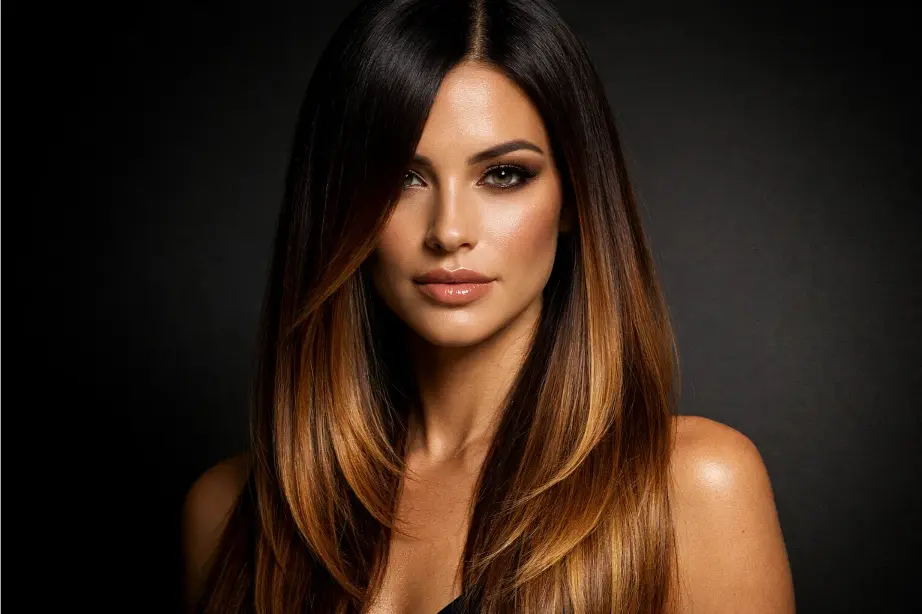
Color melting is not a shade but rather the technique redefining how every shade is applied in 2026. Rather than the hard lines and stark contrasts of traditional highlights or the dramatic ombre looks that defined the previous decade, color melting creates a seamless, gradual transition between two or three tones. The result looks as though your hair has been naturally lightened over time by sun exposure. For brunettes, this might mean espresso at the roots melting into chestnut through the mid-lengths and warm caramel at the ends. For blondes, it means a natural-looking transition from a slightly deeper root into a bright, luminous tip. The grow-out is virtually invisible, which is why this technique is beloved by anyone who prefers fewer salon visits.
8. Air Touch Balayage for Seamless Dimension
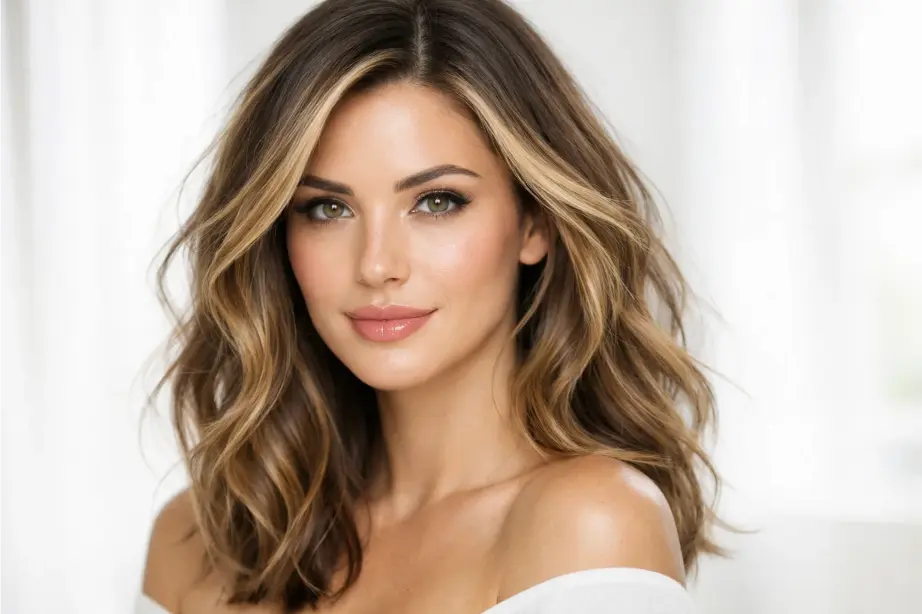
Air touch balayage is quickly moving from a niche professional technique into a mainstream must-have for 2026. Unlike traditional balayage, which relies on backcombing to separate sections, air touch uses a blow dryer to move shorter inner strands out of the way before the colorist paints lightener only onto the longer outer layers. The result is a far softer, more diffused blend with remarkably natural-looking dimension. This technique is ideal for anyone who wants highlights that appear as though they belong to the hair rather than sitting on top of it. Face-framing placement, near the temples and around the shoulders, is especially popular because it catches the light where hair naturally bounces and moves.
9. Metallic and Chrome Finishes
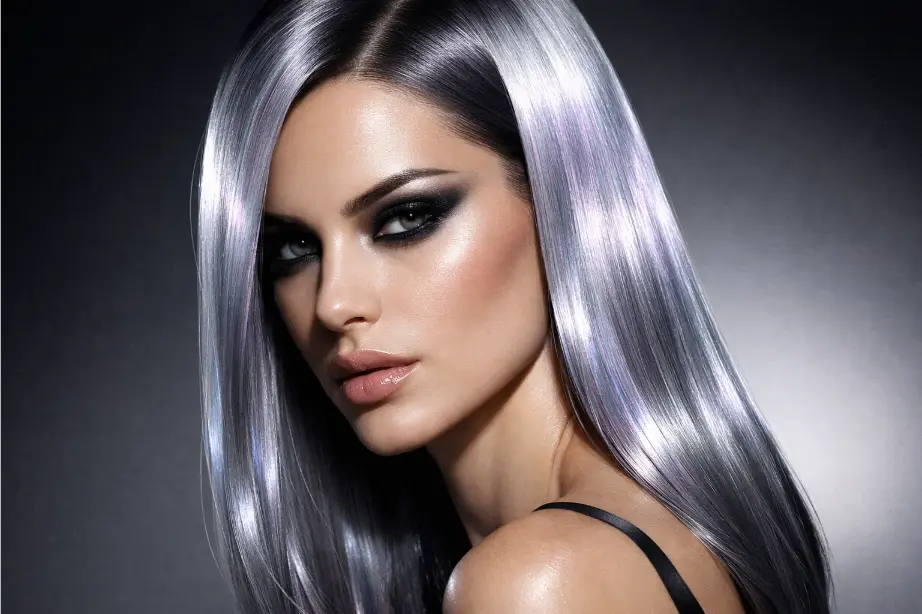
For those drawn to something more editorial, 2026 brings a sophisticated evolution of the metallic hair trend. This year’s metallic shades are muted and wearable rather than flat and theatrical. Think smoky lavender, soft bronze, and cool chrome with a faint holographic shimmer. These effects are typically achieved through specialist glosses layered over pre-lightened hair, creating an almost ethereal quality that shifts in different lighting conditions. What makes 2026’s metallic trend different from previous years is the emphasis on dimension and blending. These colors are designed to complement rather than dominate, making them far more versatile and flattering than the flat metallics of the past.
10. Monochrome Global Color
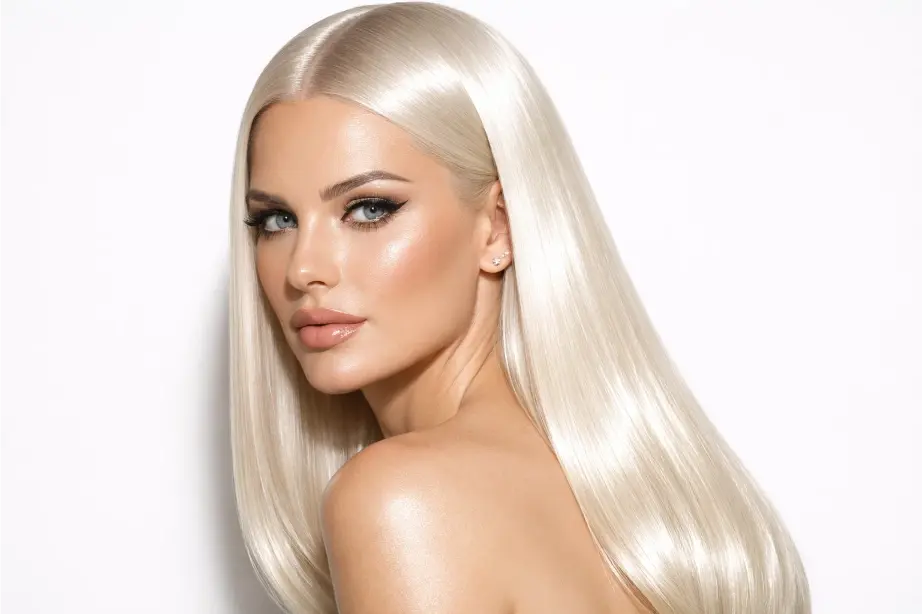
Rounding out the top ten is the return of monochrome global color, a single-tone approach where the shade runs consistently from root to tip with no visible highlights or variation. This intentional, clean approach creates a modern, polished look that feels confident and editorial. From rich inky blacks to saturated pearl blondes, the key to making monochrome work in 2026 is prioritizing shine and health above all else. A flat, dull single color reads as outdated, but a glossy, deeply pigmented global tone looks deliberately luxurious.
Conclusion
Hair color in 2026 is defined by one central idea: color that looks like it was always meant to be there. Whether you are drawn to the warmth of truffle brown and apricot blonde, the understated elegance of ecru highlights, or the precise impact of monochrome color, the common thread is health, intention, and seamless artistry. Work with a skilled colorist who understands your skin tone, lifestyle, and maintenance capacity, and you will find that 2026’s palette has something genuinely exciting to offer. This is the year to stop chasing trends blindly and start choosing color with purpose.
Frequently Asked Questions
Q1. What is the most low-maintenance hair color trend for 2026?
Vanilla blonde and color-melted brunette shades are among the most low-maintenance options because they are designed to grow out seamlessly. The transition from root to tip is so gradual that regrowth is barely noticeable, allowing you to go longer between salon visits without your color looking outdated.
Q2. Which hair color trends in 2026 work best for darker skin tones?
Warm copper, ginger brunette, and apricot blonde are particularly flattering on medium to deep skin tones because their warm undertones complement the natural richness of the complexion. Colorists also recommend caramel and honey balayage for a brightening effect that enhances the skin rather than washing it out.
Q3. Is balayage still relevant in 2026?
Yes, balayage remains one of the most requested techniques in 2026, particularly in its air touch form. The technique has simply been refined to deliver softer, more natural results compared to the bold, high-contrast balayage that was popular in previous years.
Q4. How do I maintain copper or apricot hair color at home?
Copper and apricot tones tend to fade faster than other shades, so using a color-safe shampoo is essential. A semi-permanent color-refreshing mask applied every six to eight weeks can help maintain vibrancy between salon appointments. Minimizing heat styling and protecting hair from sun exposure will also extend the life of the color significantly.
Q5. What is color melting and how is it different from ombre?
Color melting is a blending technique where two or more tones are seamlessly merged together so that the transition is virtually undetectable. Ombre, by contrast, creates a more visible and often deliberate gradient from dark to light. Color melting achieves a far more natural result because the boundaries between shades are dissolved entirely, giving the impression that the variation in tone occurred naturally over time.