
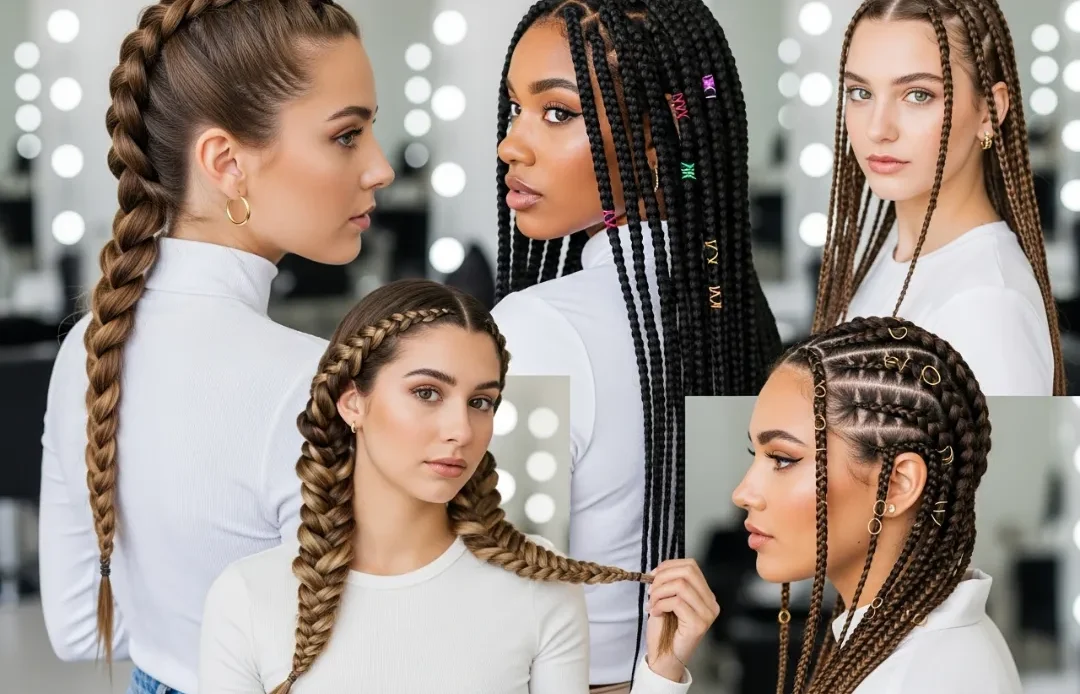
Braided hairstyles continue to reign as one of the most versatile and beloved styling options for women across all hair types and textures. As we move through 2026, the world of braiding has evolved to embrace both timeless classics and fresh, innovative techniques that prioritize ease and accessibility. Whether you are new to braiding or seeking inspiration for your next protective style, cute braided hairstyles offer endless possibilities that combine beauty, functionality, and simplicity. From elegant updos to casual everyday looks, these fifteen easy braiding ideas celebrate individuality while keeping your hair healthy and stylish.
Classic French Braid Elegance
The French braid remains an enduring favorite for good reason. This technique involves weaving three sections of hair together while gradually incorporating additional strands from each side as you work down the head. The result is a sleek, polished braid that lies flat against the scalp and works beautifully for both casual and formal occasions. The French braid suits all hair lengths from shoulder length to waist length, and learning this foundational technique opens doors to countless variations. Once you master the basic motion, you can experiment with side French braids, double French braids, or even incorporate this style into more complex updos.
Simple Three Strand Braid
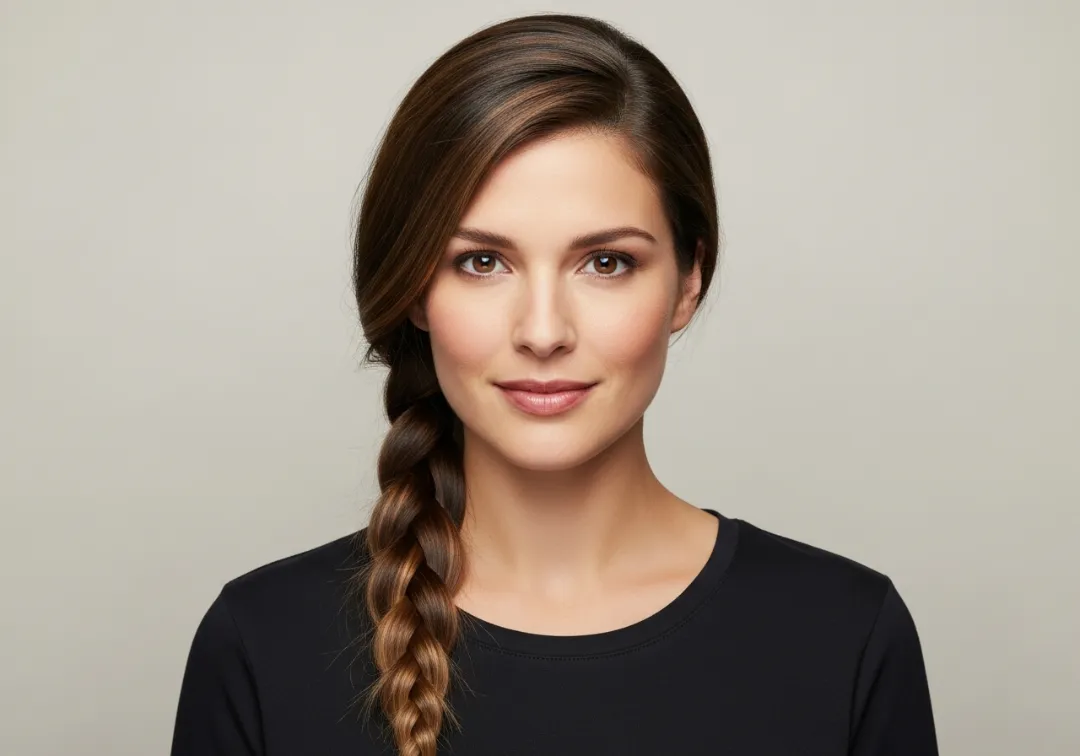
Every braiding journey begins with mastering the basic three strand braid. This fundamental technique requires dividing hair into three equal sections and crossing the outer sections over the middle section in an alternating pattern. Despite its simplicity, the three strand braid creates a clean, attractive look that works for every age and occasion. You can wear this braid down the center of your back, sweep it over one shoulder for a romantic feel, or incorporate multiple small braids throughout your hair for added texture and visual interest.
Dutch Braid Drama
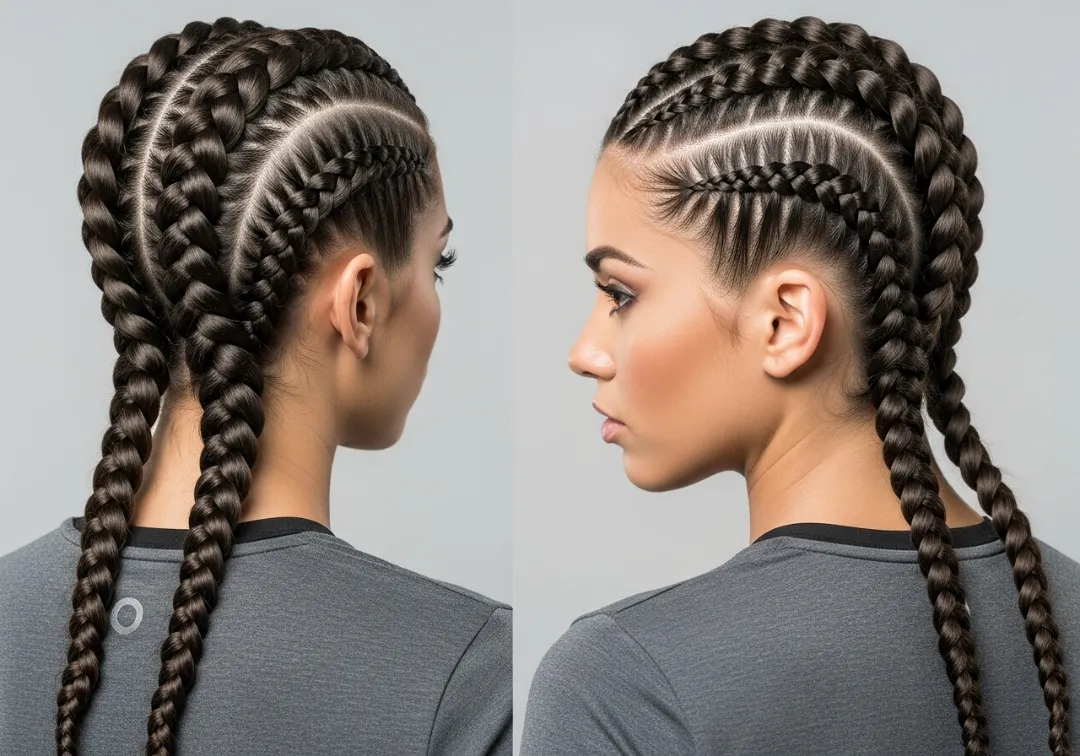
The Dutch braid, sometimes called the reverse French braid or inside out braid, creates a raised, dimensional effect that stands out from the scalp. Instead of crossing sections over the middle as in a French braid, you cross them under, which pushes the braid outward and creates a bold, striking appearance. This technique works exceptionally well for athletic activities since it holds hair securely while looking intentionally stylish. Dutch braids look particularly stunning when done in pairs, creating the popular boxer braid style that has become a staple for active women.
Fishtail Braid Simplicity
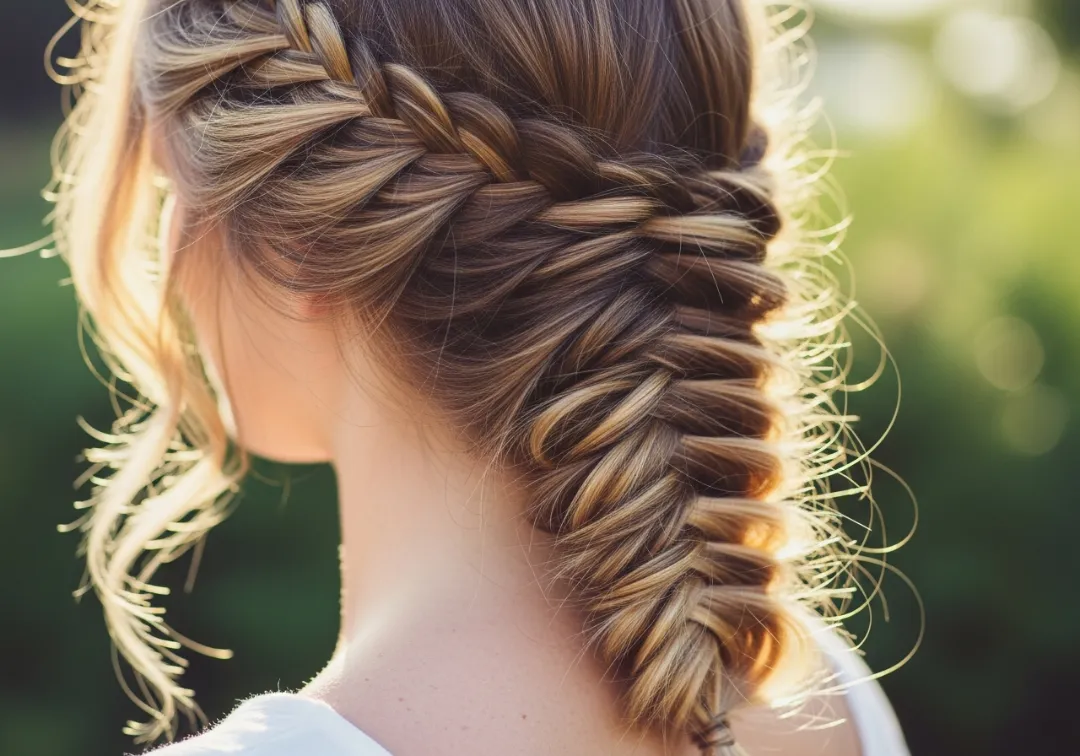
Despite its intricate appearance, the fishtail braid is surprisingly easy to create once you understand the basic principle. This style uses only two sections of hair instead of three, with small pieces alternately crossed from one section to the other. The resulting pattern resembles the scales of a fish, hence the name. Fishtail braids work beautifully for both sleek, tight styles and loose, bohemian looks. For added dimension, gently pull apart the woven sections after securing the end to create a fuller, more relaxed appearance.
Knotless Box Braids
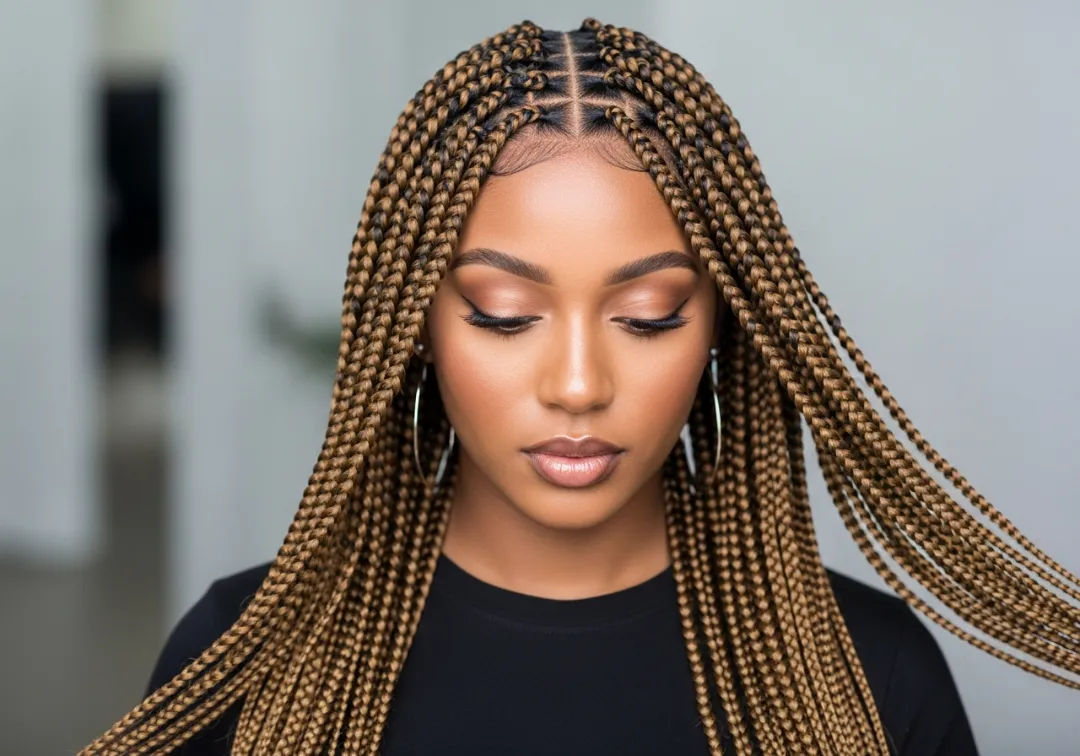
Knotless box braids have transformed the protective styling landscape by offering a gentler alternative to traditional box braids. This technique begins with your natural hair and gradually feeds in extensions, eliminating the bulky knot at the base that can cause tension and discomfort. The installation process takes longer than traditional methods, but the results include reduced scalp stress, a more natural appearance at the roots, and increased longevity. Knotless braids can be styled in countless ways, from high ponytails to elegant buns, and they protect your natural hair while promoting healthy growth.
Goddess Braids with Curly Ends
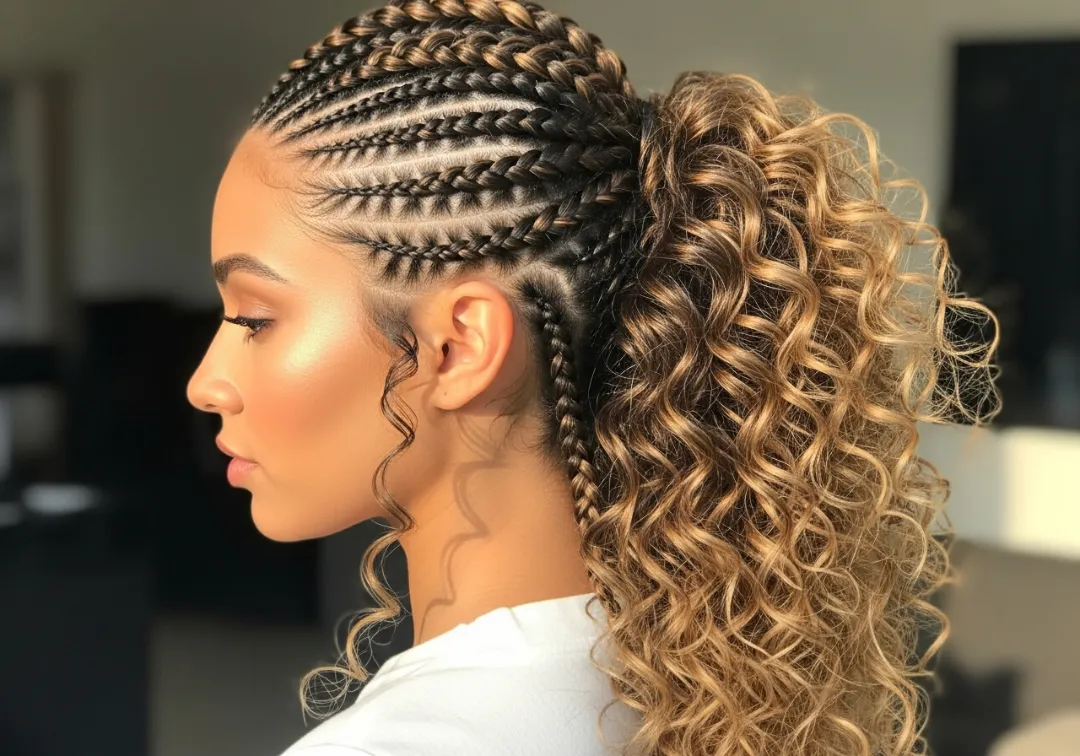
Goddess braids combine the structure of cornrows or box braids with the softness of loose, curly hair left flowing at the ends or woven throughout the length. This hybrid style creates romantic, feminine appeal while maintaining the protective benefits of braiding. The curly elements add movement and volume, making the overall look less severe and more approachable. Goddess braids work particularly well for special occasions when you want an elegant yet relaxed aesthetic. The curly additions can be achieved using extensions that match or complement your natural texture.
Bubble Braid Fun
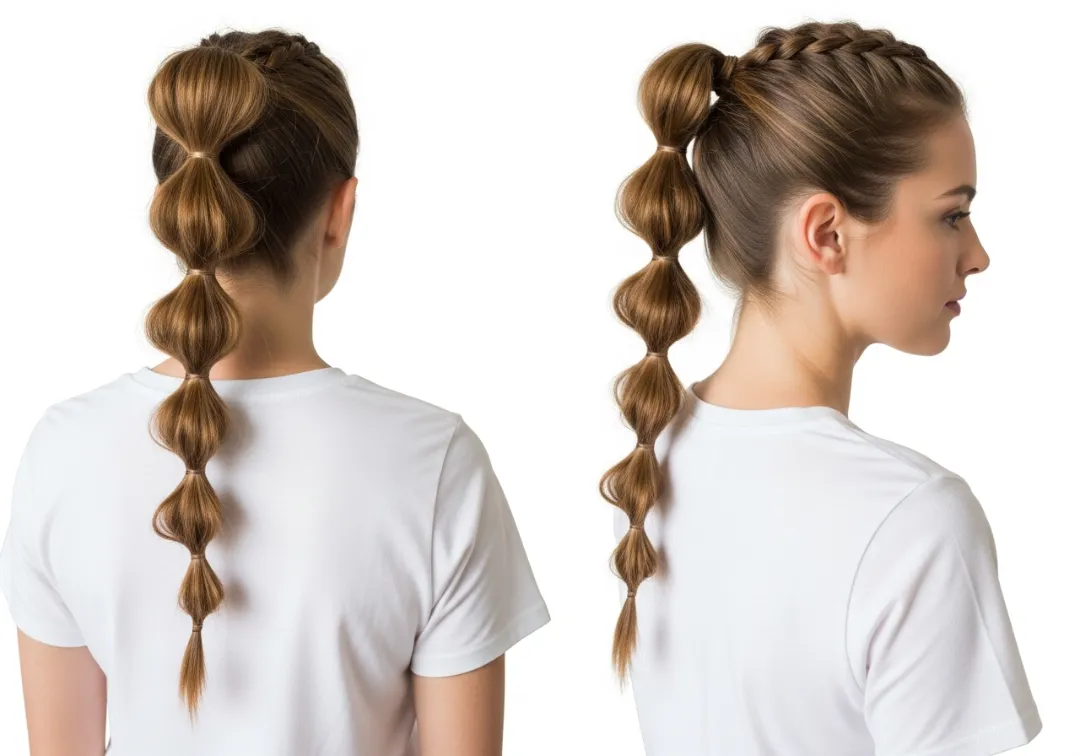
Bubble braids offer instant style with minimal braiding skill required. This playful technique involves creating a ponytail and then adding elastic bands at regular intervals down the length, gently pulling the hair between each band to create rounded bubble shapes. The result is adorable and youthful, perfect for casual outings or even elevated with accessories for parties. Bubble braids work on all hair lengths and can be positioned as a single ponytail down the back, in pigtails, or even in a half up style.
Pull Through Braid Magic
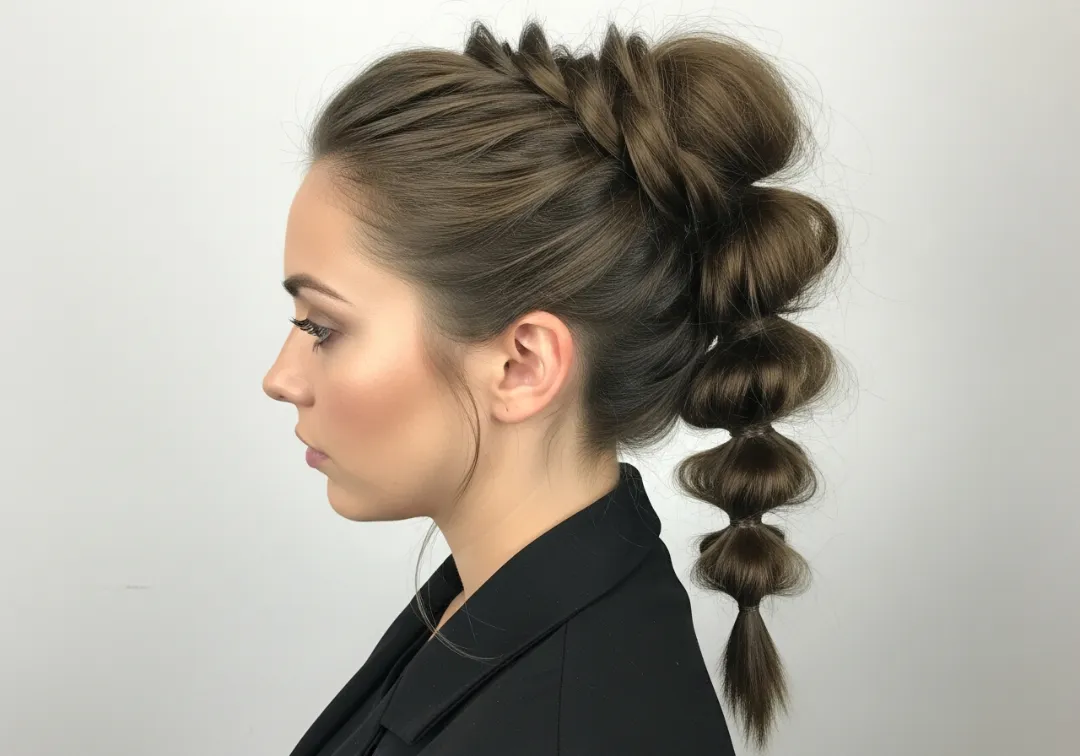
The pull through braid creates the illusion of complex weaving without actually requiring traditional braiding techniques. Instead, you create a series of ponytails stacked vertically, then pull each ponytail through the one below it. This method produces a chunky, voluminous braid that looks impressive but requires only the ability to make ponytails and secure them with elastics. This style works wonderfully for fine or thin hair because the technique naturally creates fullness and dimension.
Cornrow Classics
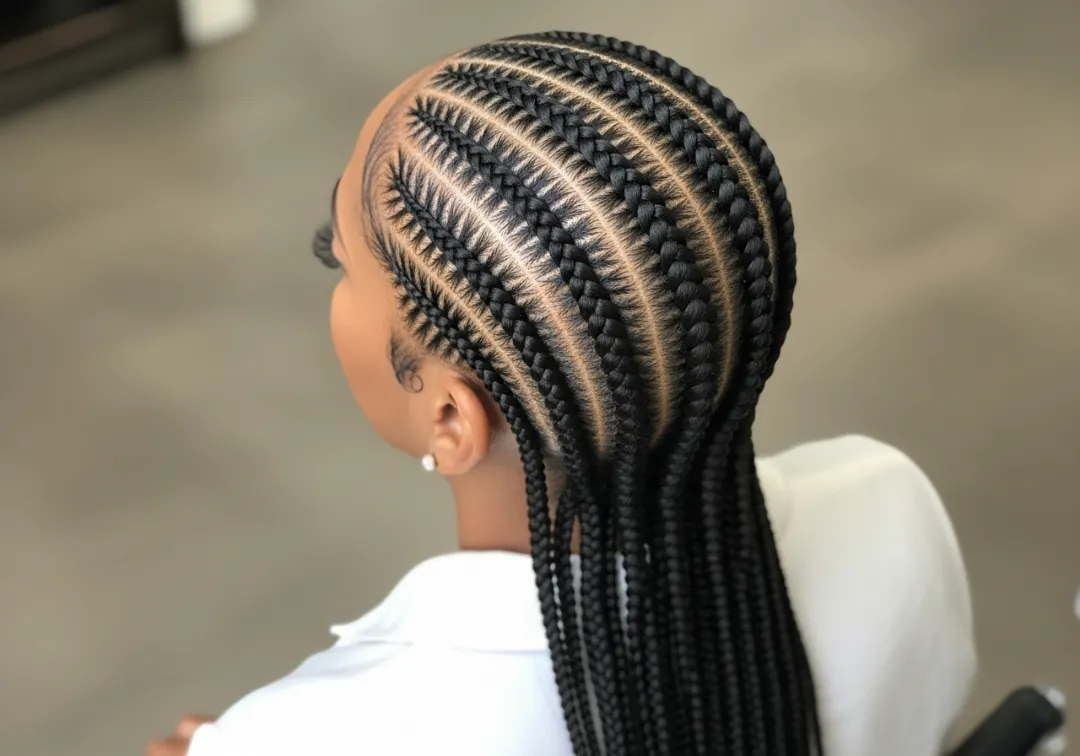
Cornrows represent one of the oldest and most culturally significant braiding techniques, with roots tracing back thousands of years in African communities. These tight, raised braids are created by braiding hair very close to the scalp in straight lines or intricate patterns. Modern cornrow styles range from simple straight back rows to elaborate geometric designs that showcase true artistry. Cornrows provide excellent protection for natural hair, can last several weeks with proper care, and serve as a foundation for various other styles.
Boho Side Braid
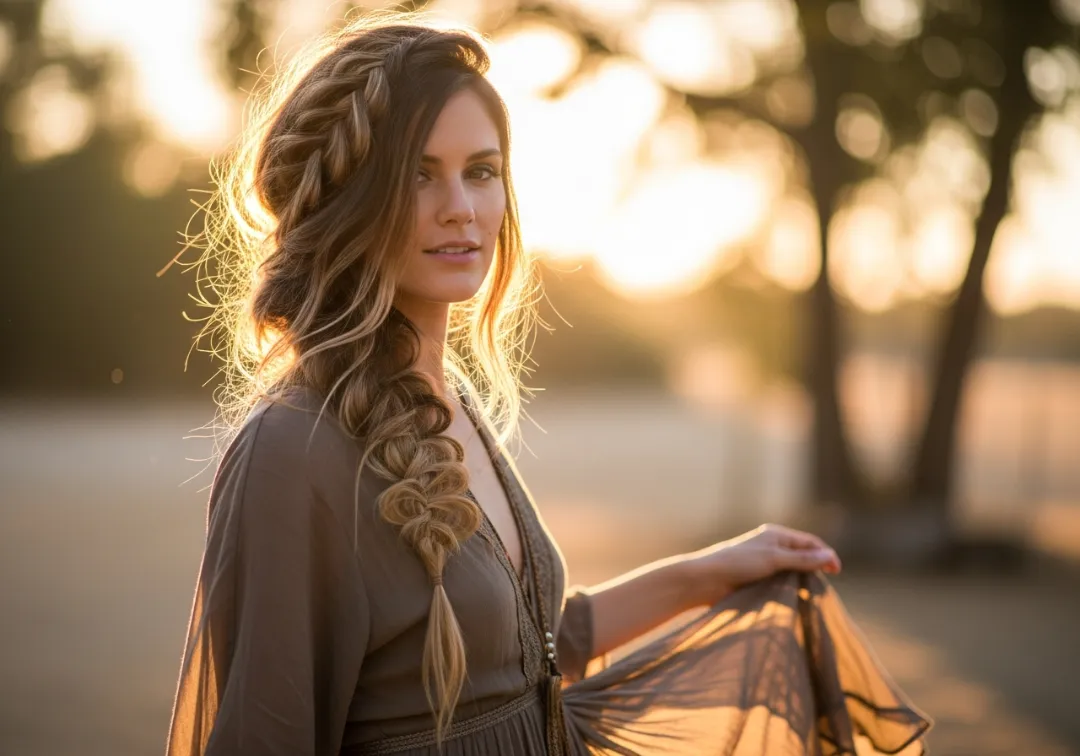
The bohemian side braid captures effortless, romantic appeal with its deliberately loose and slightly messy appearance. This style typically involves sweeping all hair to one side and creating a relaxed braid that may incorporate various textures or even leave some sections free for added movement. The boho aesthetic celebrates imperfection, so strands pulling free or uneven sections actually enhance rather than detract from the overall look. This style pairs beautifully with flowing dresses, casual weekend wear, or festival fashion.
Crown Braid Elegance
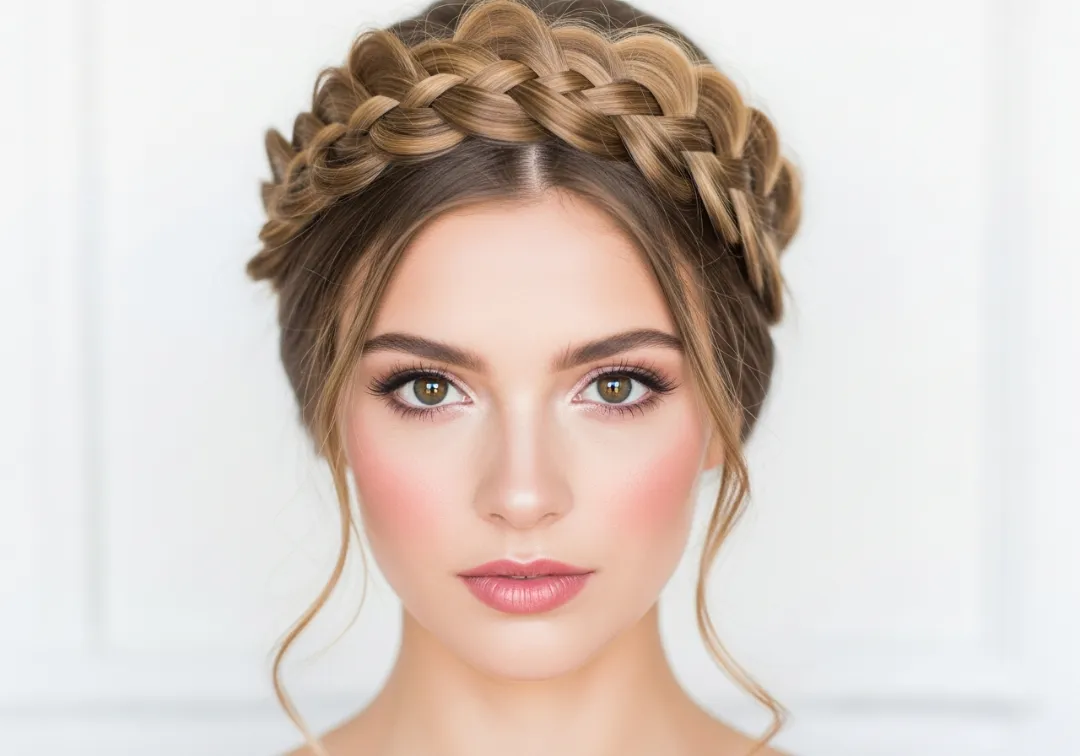
A crown braid wraps around the head like a halo or headband, creating an ethereal, princess like appearance. This style can be achieved through various methods, including braiding two sections and pinning them across the top of the head, or creating a single Dutch or French braid that encircles the entire head. Crown braids work for all occasions from weddings to everyday wear, and they effectively keep hair completely off the face and neck while maintaining a polished, put together appearance.
Twisted Rope Braid
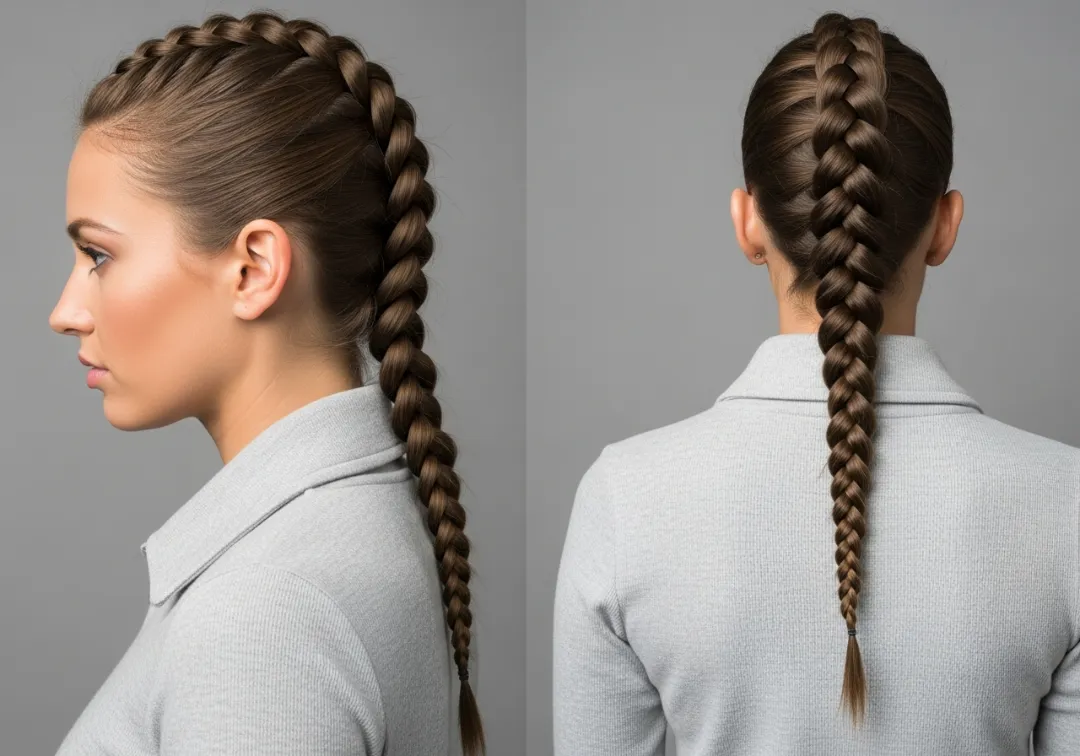
The rope braid, also called a twist braid, offers a quick alternative to traditional three strand braiding. This technique requires dividing hair into two sections, twisting each section individually in the same direction, then wrapping the two twisted sections around each other in the opposite direction. The physics of this method create a secure braid that will not unravel, and the process takes significantly less time than more complex braiding techniques. Rope braids create beautiful texture and work well for both casual and athletic styling.
Waterfall Braid Romance
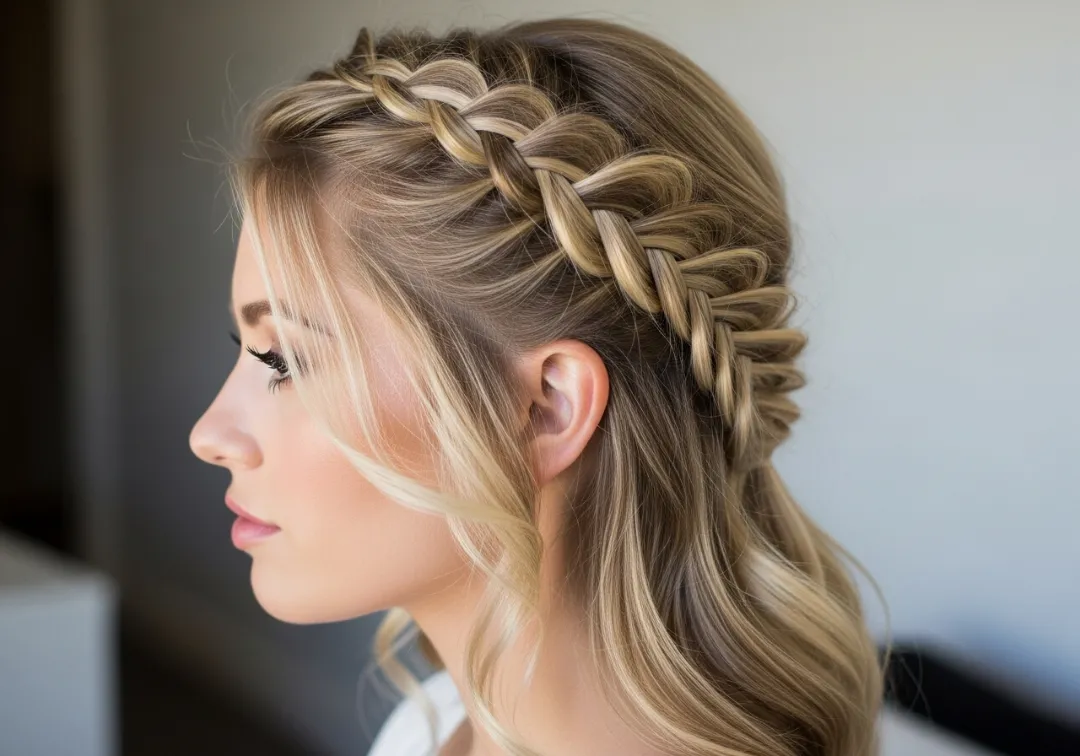
The waterfall braid creates a cascading effect where sections of hair appear to fall through the braid like flowing water. This technique involves creating a French braid along the side or crown of the head while periodically dropping sections instead of incorporating them fully into the braid. The dropped sections blend with the rest of the hair below, creating romantic movement and visual interest. This style works best on medium to long hair and pairs beautifully with curls or waves in the unbraided sections.
Milkmaid Braid Charm
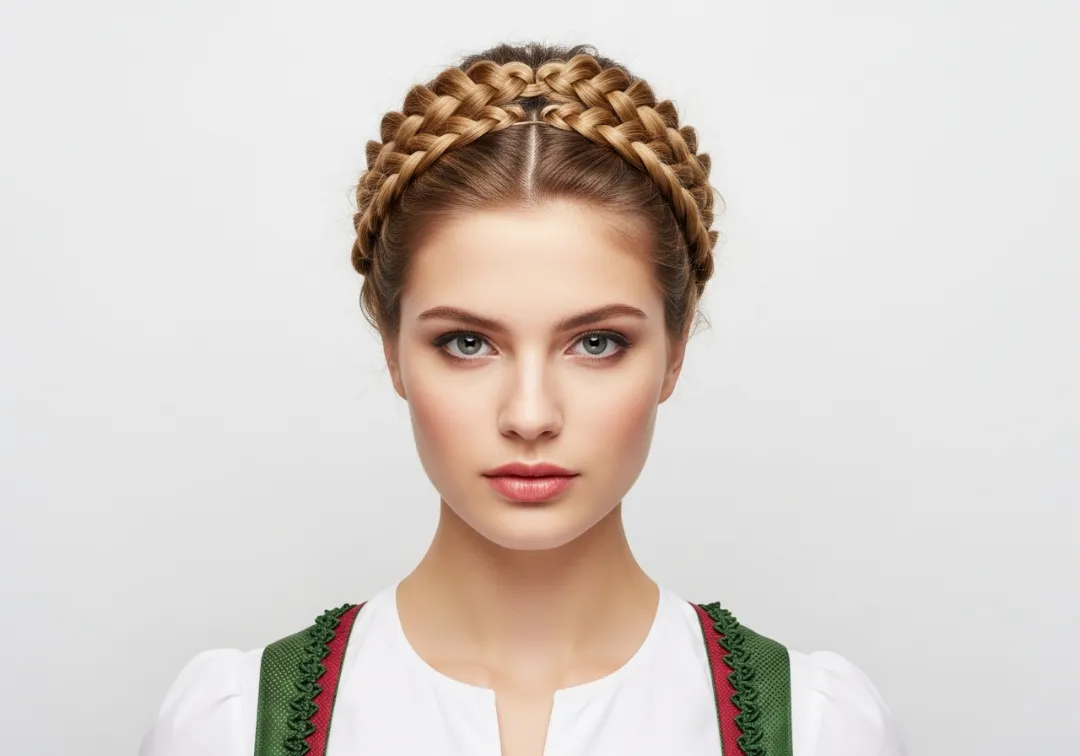
The milkmaid braid, inspired by traditional Alpine hairstyles, involves creating two braids on either side of the head and wrapping them across the crown, securing them with pins. This style exudes vintage charm and works beautifully for special occasions or as an everyday updo. The milkmaid braid keeps hair completely secured while creating a soft, romantic silhouette. For added volume and a more relaxed appearance, gently pull at the braids before wrapping them to create a fuller, more textured look.
Accent Braid Simplicity
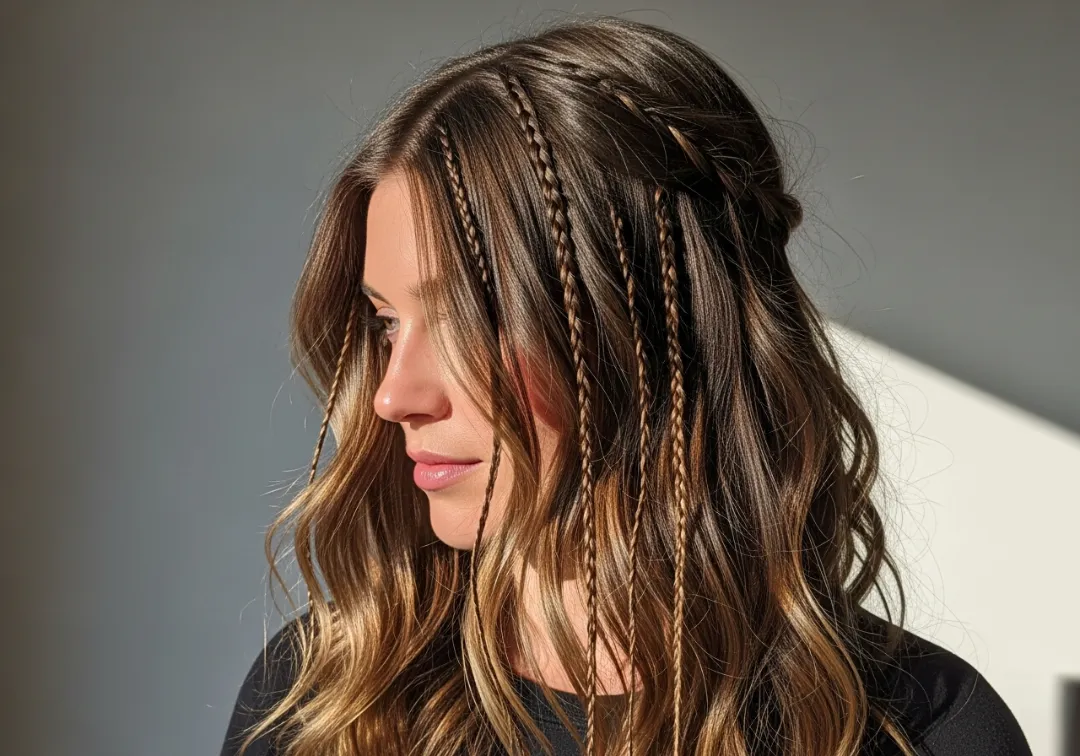
Sometimes the most impactful styles incorporate braids as subtle accents rather than the main focus. Small braids woven along the hairline, tucked behind ears, or scattered throughout loose hair add dimension and interest without requiring extensive time or skill. These accent braids can follow any technique from simple three strand to intricate fishtail, and they allow you to experiment with braiding without committing to a full braided style. This approach works particularly well when transitioning between different looks or when you want to add personality to otherwise simple hairstyles.
Cute braided hairstyles in 2026 continue to evolve while honoring traditional techniques that have stood the test of time. These fifteen styles demonstrate that braiding does not require professional expertise or hours in front of the mirror. With basic techniques mastered, you can create countless variations to suit your personal style, hair type, and lifestyle needs. The beauty of braids lies in their versatility and the protection they offer to natural hair while allowing creative expression. Whether you choose elegant updos, casual side braids, or protective styles that last for weeks, braiding remains one of the most accessible and rewarding hairstyling skills to develop.
Frequently Asked Questions
How long do braided hairstyles typically last?
The longevity of braided hairstyles varies depending on the specific style and how well you maintain them. Simple braids like French or fishtail braids usually last one to two days. Protective styles such as box braids, cornrows, or knotless braids can last four to eight weeks with proper care, including regular moisturizing and sleeping with a silk or satin scarf.
What hair type works best for braiding?
All hair types can be braided successfully. Fine or straight hair benefits from texturizing products or slight dampness to create grip and prevent slipping. Curly, coily, or textured hair naturally holds braids well and often requires less product. The key is adapting your technique and preparation to your specific hair texture rather than trying to change your natural hair.
Do I need extensions to create cute braided hairstyles?
Extensions are optional and depend on your desired look and natural hair length. Many styles like French braids, fishtail braids, and simple three strand braids work beautifully with just your natural hair. Extensions become helpful for protective styles like box braids or when you want added length, volume, or color without permanent changes to your hair.
How can I make my braids last longer?
To extend the life of your braids, sleep with a silk or satin bonnet or pillowcase to reduce friction. Keep your scalp clean and moisturized using lightweight oils or braid sprays. Avoid excessive manipulation and re-braid any sections that begin to frizz or loosen. For protective styles, limit washing to once every week or two and always dry braids thoroughly to prevent mildew.
Can beginners learn to braid their own hair?
Absolutely. Start with the basic three strand braid until the motion feels natural, then progress to more complex techniques like French or Dutch braids. Practice on a friend or even yarn tied to a stable surface before attempting to braid your own hair. Remember that braiding behind your head requires muscle memory that develops over time, so be patient with yourself during the learning process.