

Living with thin, fine hair comes with its own set of daily challenges. Styles fall flat by midday, length weighs strands down rather than lifting them, and the wrong cut can make hair appear even more sparse than it actually is. The encouraging news is that 2026 has brought a wave of haircut innovations specifically designed to work with fine hair rather than against it. Stylists are now cutting with density and movement in mind, creating shapes that fool the eye into seeing fullness where there is very little. Whether you prefer something short and structured or long and flowing, there is a trending design in this year’s lineup that will transform the way your hair looks and feels every single day.
15 Haircuts for Thin Fine Hair You Need to Know in 2026
The Blunt Bob
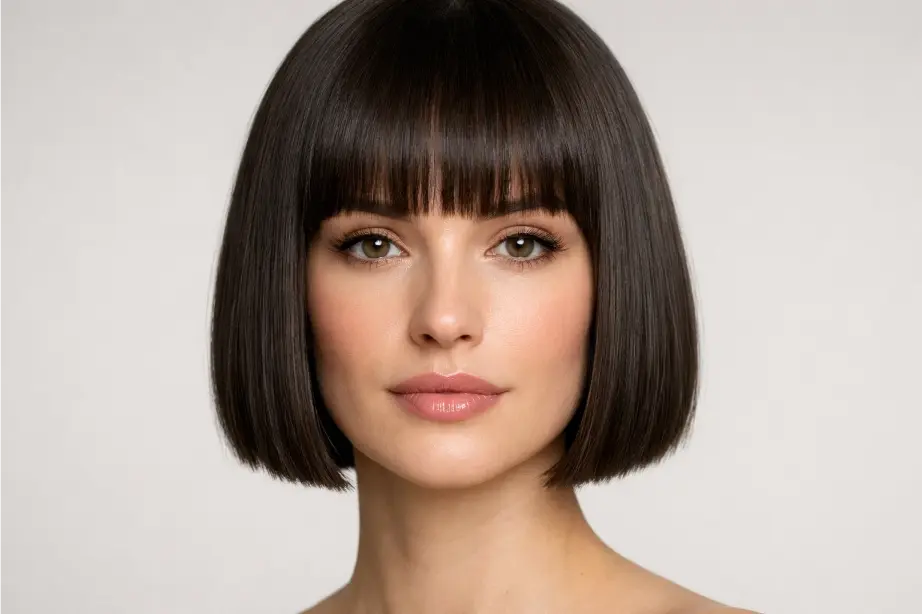
The blunt bob remains one of the most reliable haircuts for thin fine hair, and in 2026 it has taken on a cleaner, more architectural identity. By cutting all the hair to a single even length without layering the ends, this style creates an optical illusion of density. The weight line at the bottom makes fine hair appear noticeably thicker. Worn at chin level or slightly below, the blunt bob works on nearly every face shape and requires minimal daily styling to look polished.
The Long Bob (Lob)
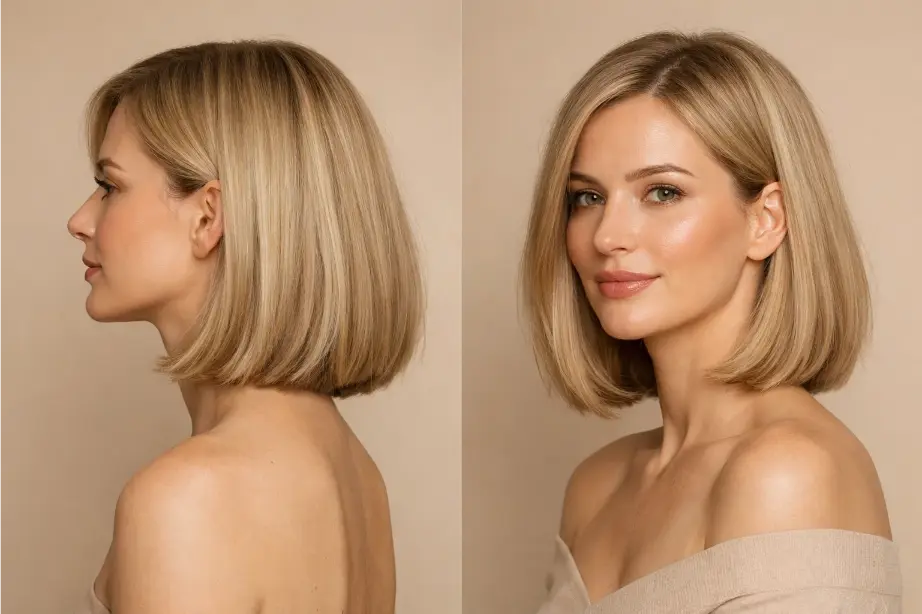
The lob sits at that sweet spot between the shoulder and the collarbone, making it one of the most flattering haircuts for thin fine hair at medium length. It is long enough to offer styling versatility but short enough to prevent strands from being pulled flat by their own weight. Adding a subtle curve inward at the ends gives the lob movement and bounce that straight fine hair desperately needs.
Ghost Layers
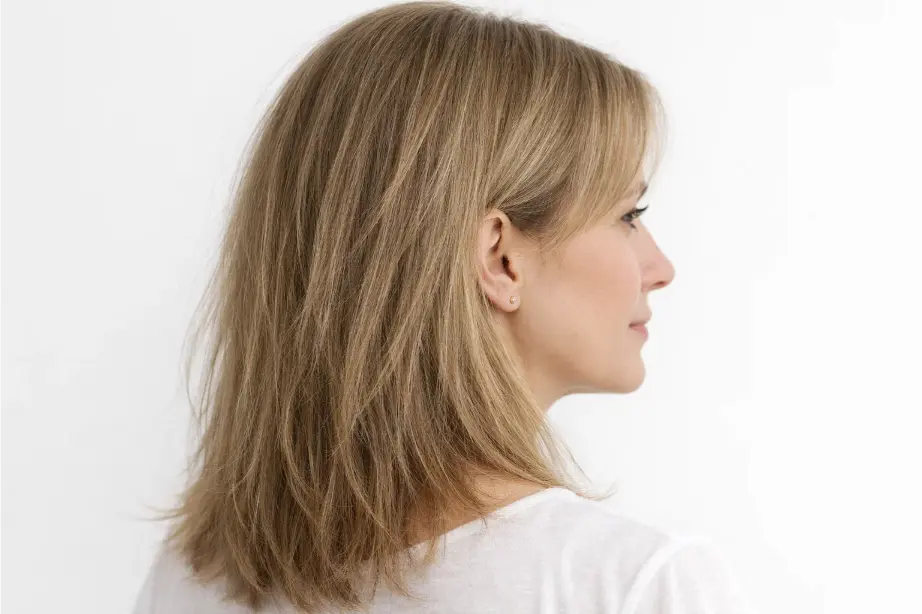
Ghost layers are one of the most talked-about techniques of 2026. Unlike traditional heavy layers that can strip fine hair of its already-limited density, ghost layers are cut at minimal variance from the longest pieces, typically just an inch or two shorter. The result is hair that appears to have natural body and movement without any obvious step or choppiness. For anyone with thin strands who has been warned away from layers in the past, ghost layers are the answer.
The Soft Pixie Cut
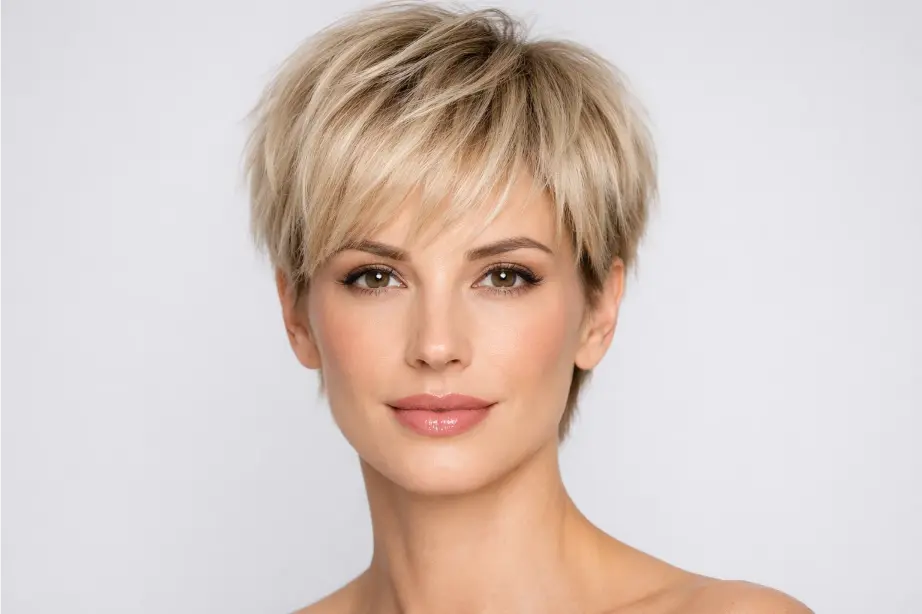
A well-executed pixie cut with extra length at the crown is an outstanding option for fine hair. The shorter sides and back remove excess weight immediately, while the length kept at the top allows for volume-building techniques like blow-drying upward or applying a root-lifting spray. The modern 2026 pixie leans toward wispy, undone edges rather than blunt or severe lines, giving fine hair a light, effortless appearance.
The Bixie
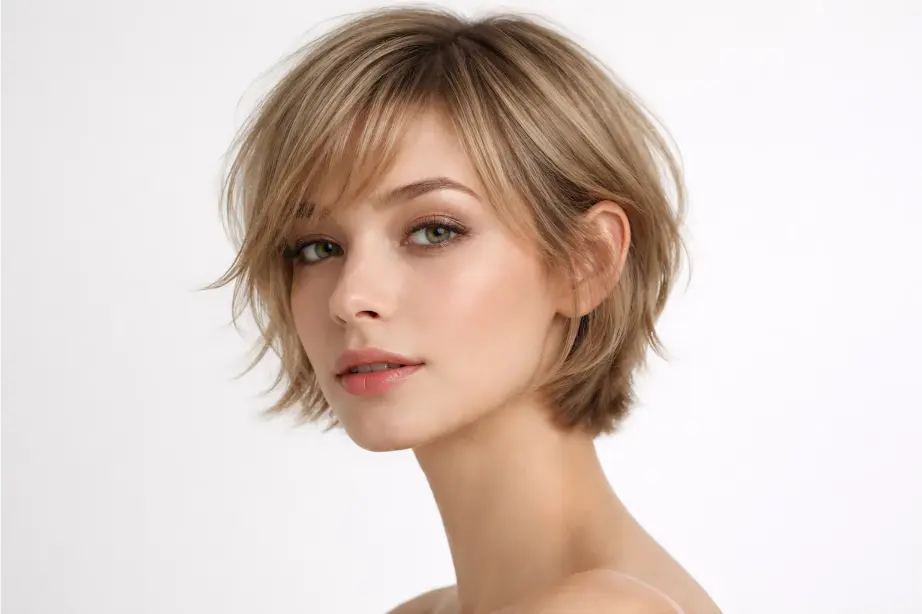
The bixie, a hybrid between a bob and a pixie, is gaining serious momentum this year. It sits shorter than a classic bob but longer than a traditional pixie, landing somewhere around the ear to jaw range. For fine hair, this length is ideal because it removes the weight that causes thin strands to lie flat while still offering enough length to style in multiple directions.
you may also like this: Trendy Bob Haircuts Are the Best: 13 Bob Haircuts Design Ideas with Layers
Curtain Bangs with Layers

Curtain bangs have evolved beyond their nostalgic roots and are now one of the smartest styling choices for thin fine hair. By framing the face with softly parted fringe, this look draws attention upward and creates dimension at the front of the head where volume tends to collapse first. Paired with face-framing layers, curtain bangs add the kind of visual interest that makes hair look fuller overall.
The Textured Shag
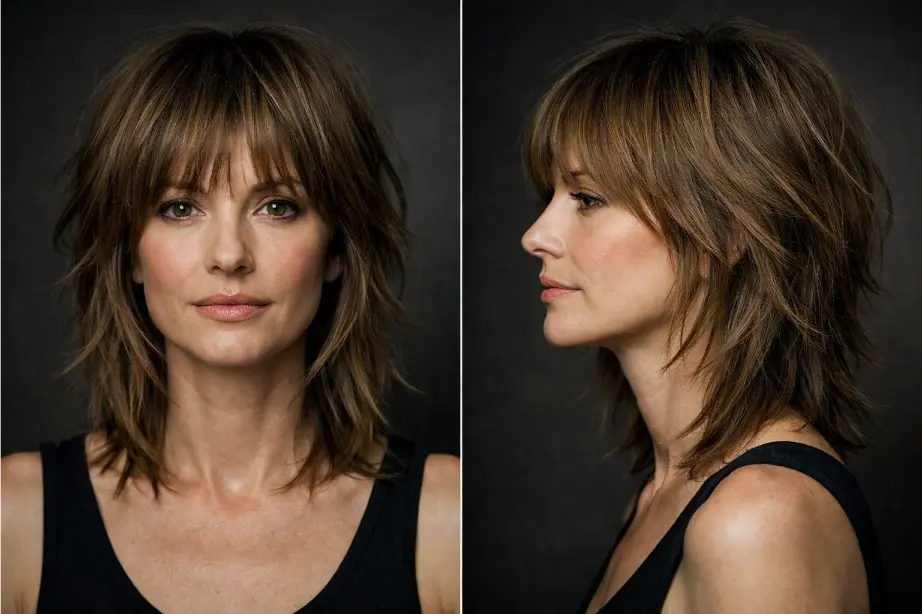
The shag haircut has been reimagined for 2026 with a softer, more feathered approach. Rather than the heavy, choppy version of the past, this year’s shag features light, blended layers that build movement without removing density. For thin fine hair, a modern soft shag creates texture and volume simultaneously, and because the style looks intentional even as it grows out, it is also one of the lowest maintenance choices on this list.
The Collarbone Cut

A cut that lands right at the collarbone is positioned perfectly for fine hair. It is short enough to keep hair from losing its shape under its own weight and long enough to pull into a simple updo on days when volume just will not cooperate. Adding lightweight texture through soft waves at this length gives fine strands the movement they need to look full and healthy.
Butterfly Layers
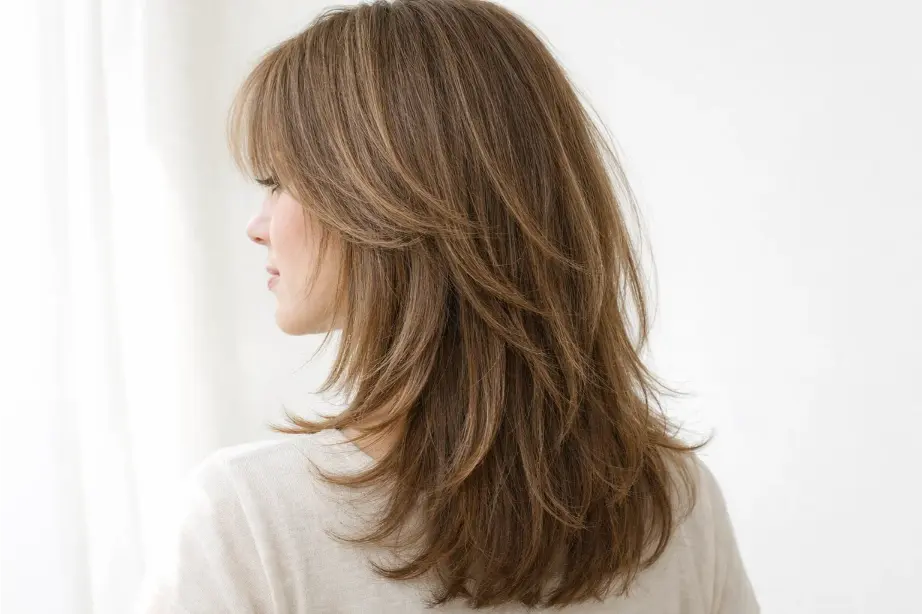
Butterfly layers are a modern take on long layers that place shorter, face-framing pieces throughout the upper sections of the hair while keeping the lower lengths intact. This technique creates lift at the crown and through the mid-lengths, which is exactly where fine hair tends to fall flat. The result is cascading movement that mimics the look of naturally thick, voluminous hair.
The Stacked Bob
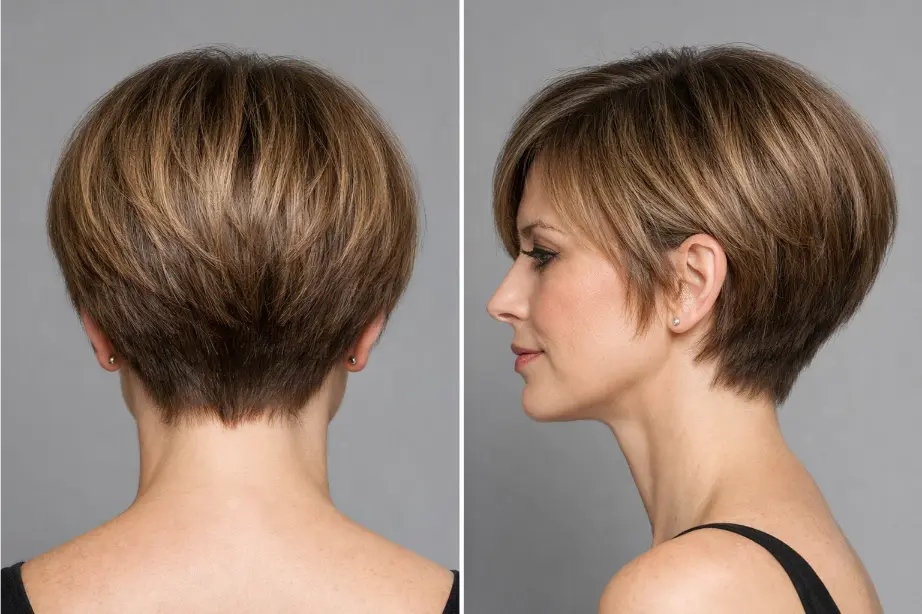
The stacked bob features shorter, graduated layers in the back that taper upward, creating volume and shape at the nape of the neck. This geometry lifts the silhouette and gives fine hair a fullness that a standard one-length bob cannot achieve. From the front, the longer pieces frame the face beautifully. From behind, the stacked layers create a rounded shape that looks impressively full.
The Choppy Lob with Lived-In Texture

A lob with choppy, point-cut ends rather than a smooth finish adds immediate texture to fine hair without removing length. The separation at the ends creates the illusion of multiple layers and encourages natural movement when air-dried or lightly styled. This is a particularly low-effort option for anyone who prefers a wash-and-go routine.
The Undone Wispy Pixie
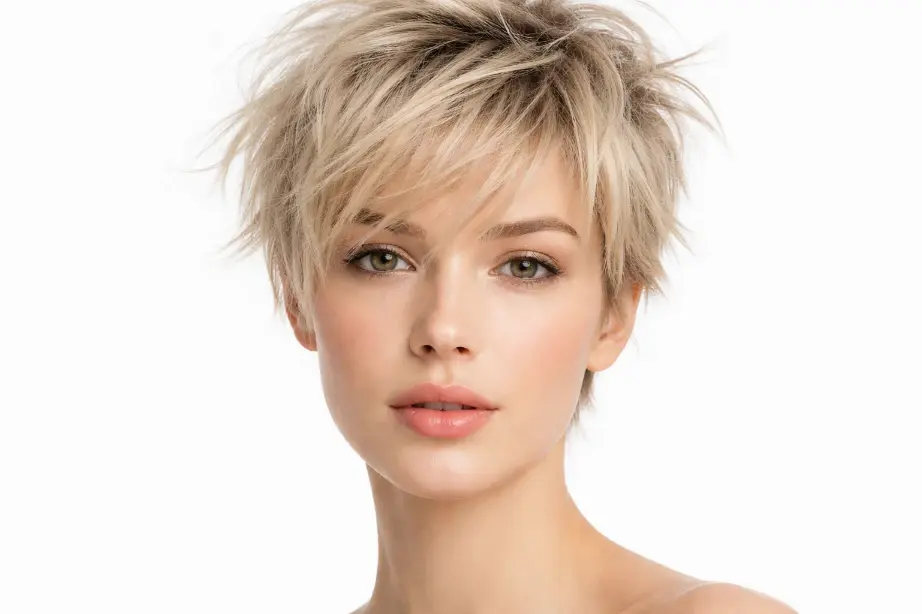
For those ready to commit to a short cut, the wispy pixie delivers maximum impact with minimum weight. Long pieces are left at the fringe and crown while the sides and back are taken shorter. The wispy, feathered finish prevents the style from looking too structured and gives fine hair an airy, voluminous quality that longer styles simply cannot replicate.
Side-Swept Bangs with a Medium Cut
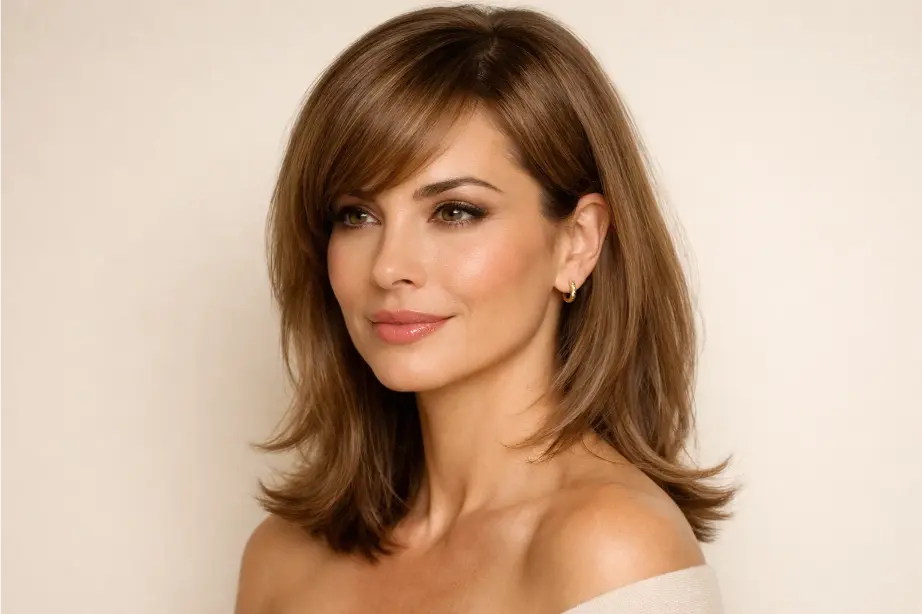
A medium-length cut paired with side-swept bangs is a timeless combination that continues to trend in 2026 for good reason. The bangs add instant fullness at the front hairline while the medium length prevents the rest of the hair from collapsing under its own weight. This pairing also makes fine hair appear thicker by breaking up the visible expanse of scalp that can appear with longer, unstyled lengths.
The Modern Shaggy Bob
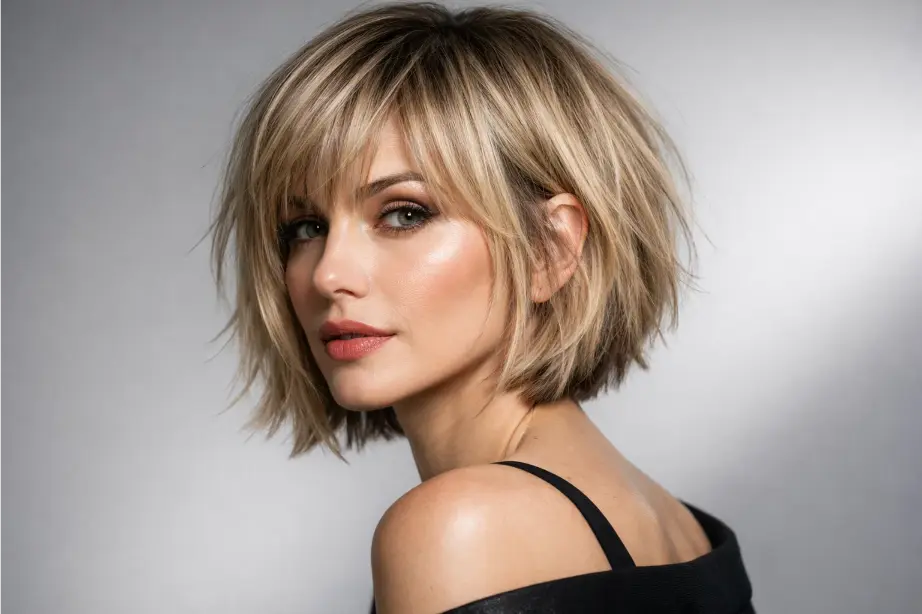
The shaggy bob blends the best qualities of a classic bob with the texture and movement of a shag. Soft layers throughout the interior of the cut add body, while the overall bob shape maintains a polished, structured silhouette. For fine hair, this combination means natural lift throughout the day without the need for constant restyling.
Face-Framing Layers on Long Hair
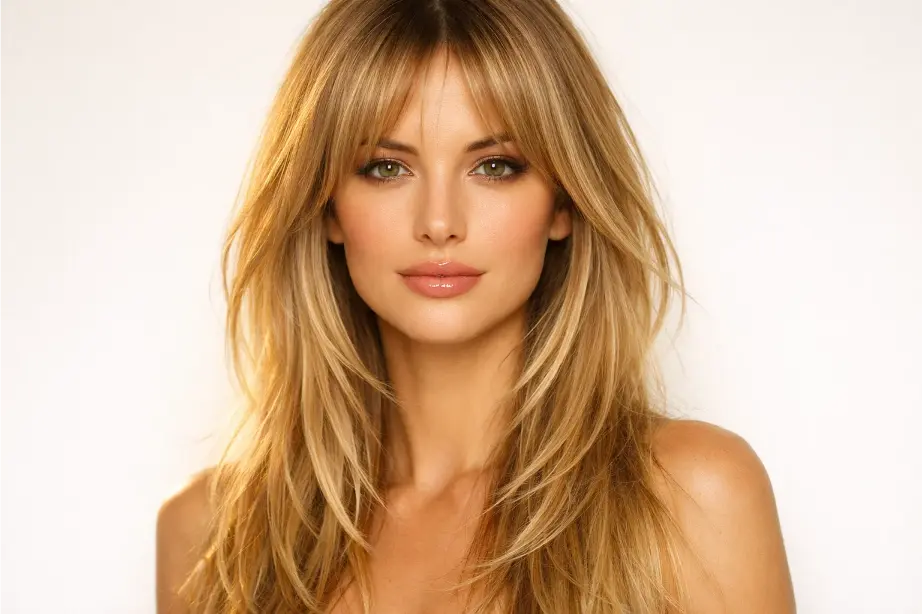
For those who cannot bring themselves to cut their hair short, face-framing layers on longer lengths are the 2026 solution. By concentrating shorter pieces around the cheekbones and jaw, a stylist can create lift and dimension at the top of the style without touching the overall length. The contrast between the shorter framing pieces and the longer body of the hair creates the impression of fullness where fine hair needs it most.
Conclusion
Choosing the right haircut for thin fine hair is not about hiding what you have but about working strategically with your natural texture to create the best possible shape. The 15 trending designs outlined for 2026 each take a different approach to the same goal: building volume, movement, and dimension without relying on density that simply is not there. Whether you gravitate toward a bold pixie or prefer to keep your length with the help of ghost layers and butterfly cuts, the key is finding a style that works with your lifestyle, your face shape, and the natural behavior of your strands. Book a consultation with a skilled stylist, bring reference images, and walk out with a cut that finally makes your fine hair feel like the asset it truly is.
FAQs
Q1: What is the best overall haircut for thin fine hair?
The blunt bob is widely considered one of the best cuts for thin fine hair because the clean, even weight line at the bottom creates an optical illusion of thickness and density without requiring much daily effort to maintain.
Q2: Should people with fine hair avoid layers?
Not necessarily. Traditional heavy layers can reduce the appearance of thickness, but modern techniques like ghost layers and butterfly layers are designed specifically to add movement and body to fine hair without stripping it of its limited density.
Q3: Is long hair a bad choice for thin fine hair?
Long hair is not off-limits, but it does require strategic cutting. Face-framing layers, collarbone-length cuts, and lightweight styling products can help longer fine hair maintain volume and avoid the flat, stringy appearance that unrestricted length sometimes causes.
Q4: How often should fine hair be trimmed to maintain a good haircut?
Fine hair benefits from a trim every four to six weeks. Because fine strands are more prone to breakage and split ends, regular trims keep the style looking fresh and prevent damage from traveling up the hair shaft and further reducing density.
Q5: What styling products work best for thin fine hair?
Lightweight volumizing mousses, root-lifting sprays, and texturizing sprays work best for thin fine hair. Heavy creams and thick serums should be avoided because they weigh fine strands down and cause styles to collapse faster throughout the day.