
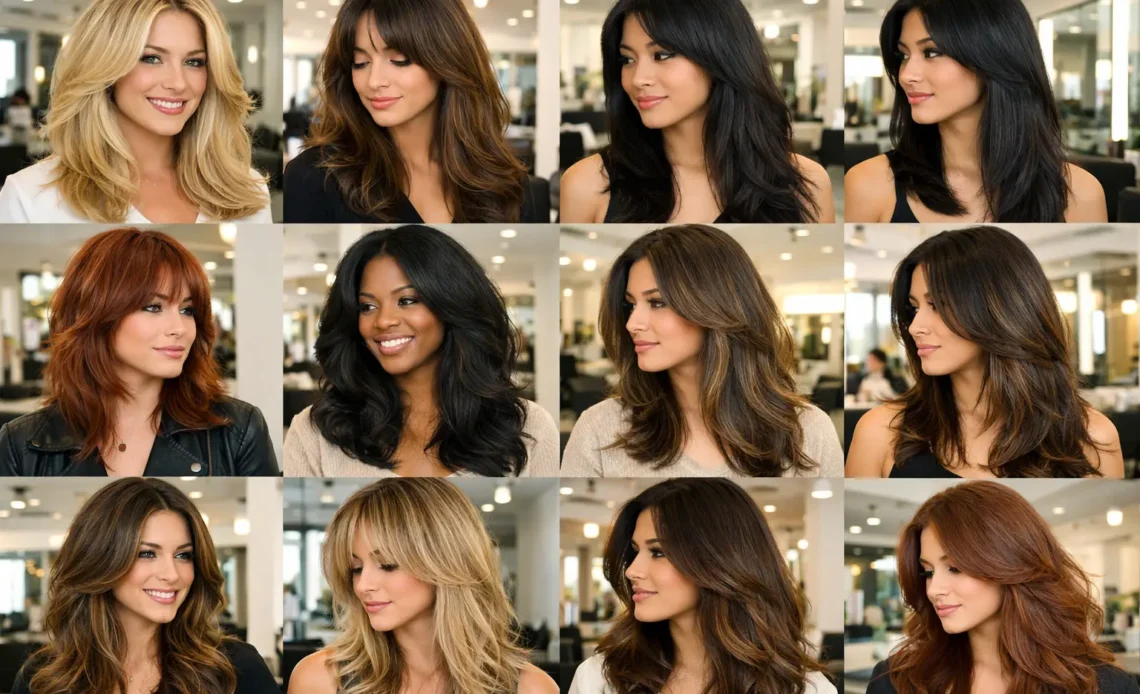
Long hair offers countless styling possibilities, but without the right cut, even the most beautiful length can fall flat and lifeless. Layers transform long hair from ordinary to extraordinary by adding dimension, movement, and personality that truly showcase your natural beauty. In 2026, layered hairstyles for long hair continue to dominate salon requests because they solve common problems like lack of volume, heavy weight, and difficulty styling while creating versatile looks that work for every face shape and hair texture. Whether you prefer soft romantic waves, sleek sophistication, or tousled effortless vibes, the right layering technique makes all the difference. These ten easy layered hairstyles represent the most flattering and wearable options for long hair in 2026, each offering unique benefits while remaining accessible for various styling abilities and daily routines. From the trending butterfly cut to classic feathered layers, discover how strategic layering can revolutionize your long hair and simplify your styling routine.
Butterfly Cut with Volume
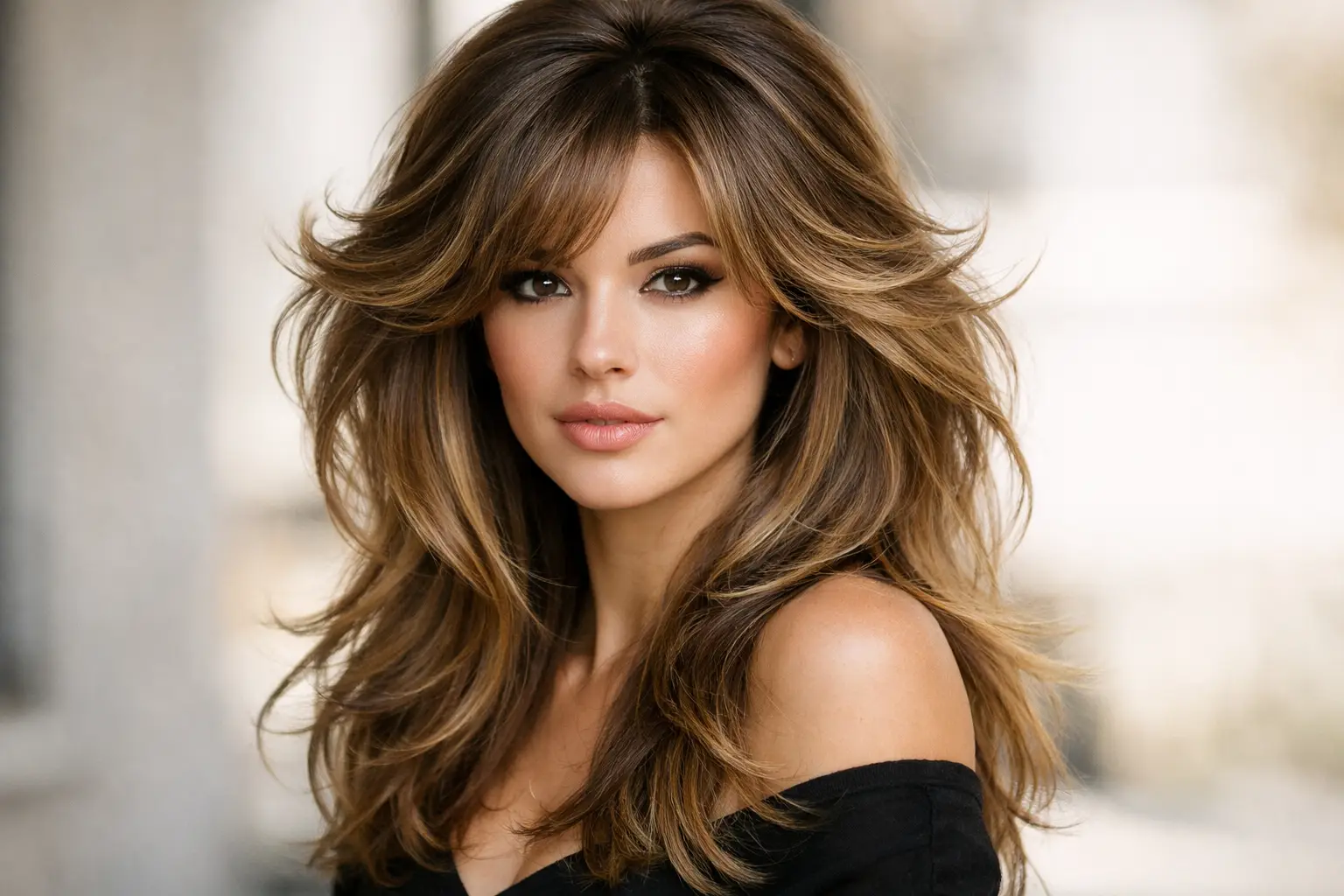
The butterfly haircut has emerged as 2026’s most sought-after layered style for long hair. This distinctive cut features shorter, wispy layers concentrated around the crown and face that blend seamlessly into longer flowing ends, creating a silhouette that resembles butterfly wings. The magic of this cut lies in its dual effect, providing dramatic volume at the top while maintaining length below. The shorter layers lift away from the scalp, creating bounce and movement that prevents long hair from appearing flat or weighed down. Face-framing pieces start around the cheekbones and gradually lengthen, drawing attention to your features while adding dimension throughout. This cut works exceptionally well for straight to wavy hair textures and proves particularly beneficial for those with fine hair seeking the illusion of thickness. The butterfly cut requires minimal daily styling, as the layers naturally fall into place with simple blow-drying using a round brush to enhance the lift at the crown.
Long Layered Curtain Bangs
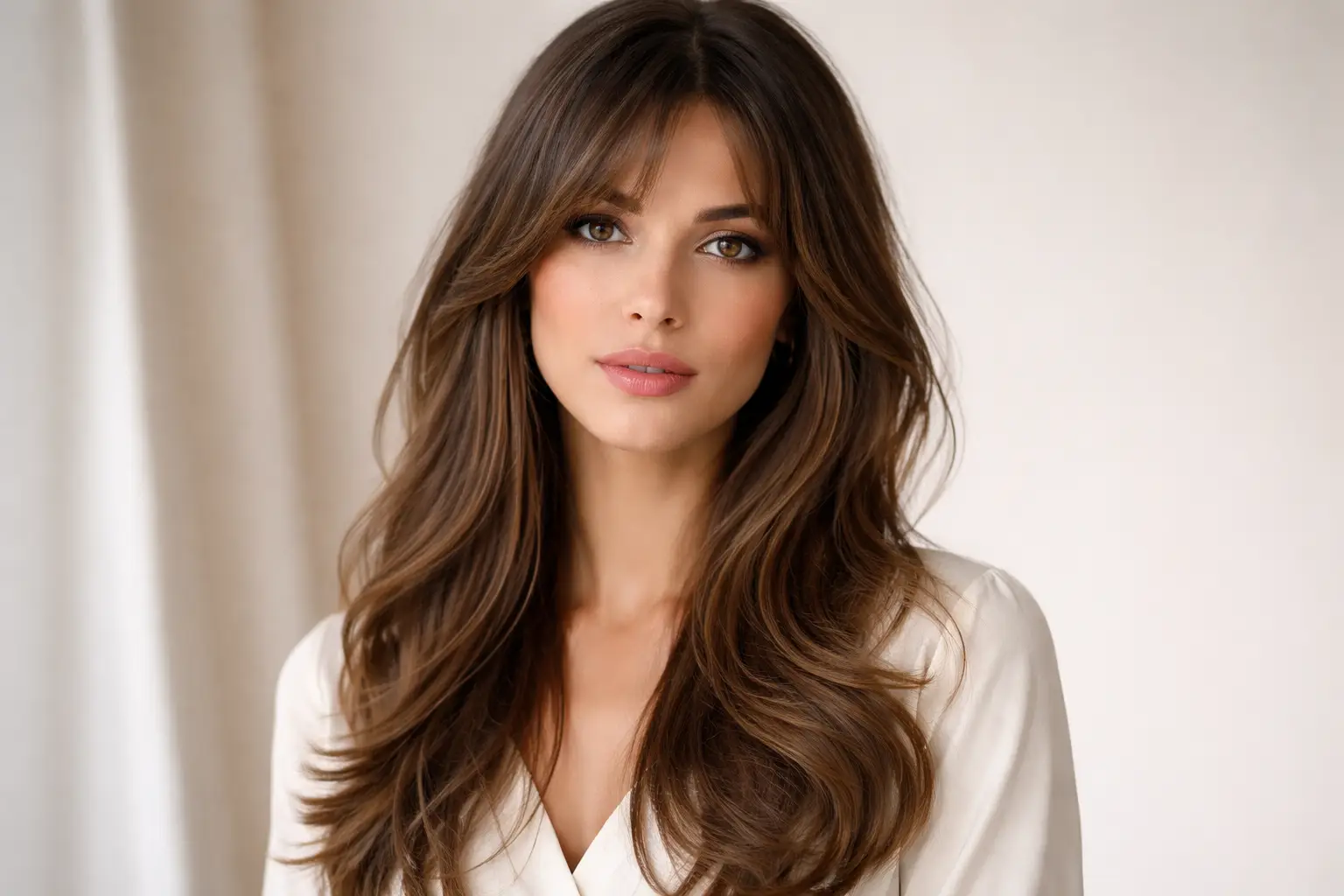
Curtain bangs paired with long layers create a timeless yet contemporary look that flatters virtually every face shape. These bangs part naturally in the middle, sweeping softly to each side like curtains framing a window. When combined with layers that begin at chin level and cascade through the length, curtain bangs integrate seamlessly into the overall style rather than appearing as a separate element. This combination softens strong features, elongates round faces, and adds movement without sacrificing length. The beauty of curtain bangs with layers lies in their versatility and forgiving nature as they grow. Unlike blunt bangs that require frequent trims, curtain bangs blend into face-framing layers as they lengthen, maintaining a polished appearance between salon visits. Style these with a round brush while blow-drying, directing the bangs away from your face for that signature sweep.
Feathered Shag Layers
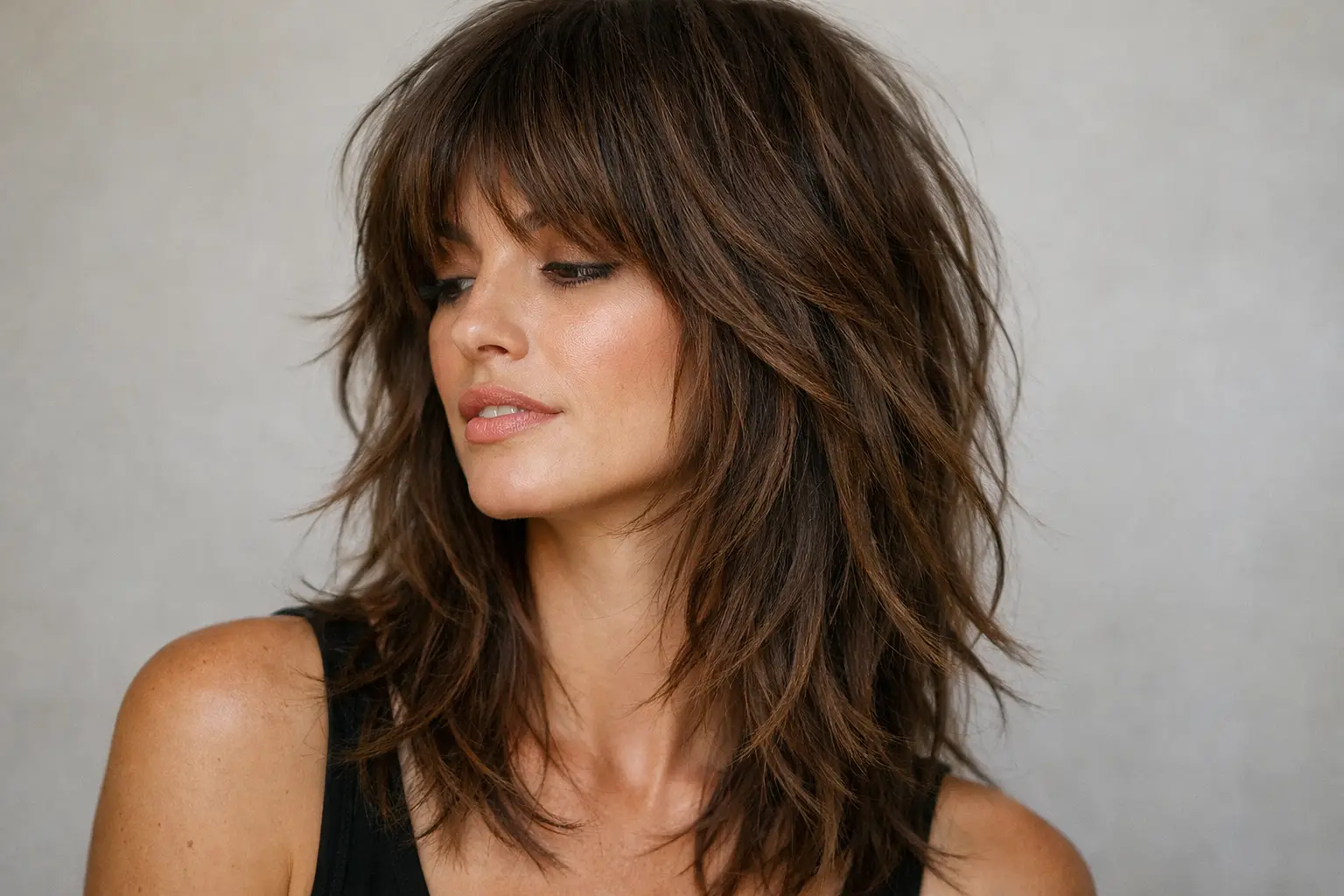
The feathered shag brings a modern update to classic seventies style through choppy, textured layers that create movement and dimension. This cut incorporates varying layer lengths throughout the hair, with pieces razored or point-cut to create soft, feathered ends that blend beautifully rather than appearing blunt. The shag works particularly well for adding volume to fine hair and controlling bulk in thick hair. Layers typically start around the jaw or chin and continue through the ends, with the cutting technique creating natural separation and texture. The intentionally undone quality of feathered shag layers means styling remains simple. Apply texturizing spray to damp hair, scrunch gently, and allow to air dry for effortless waves, or use a diffuser for enhanced volume. This style embraces natural texture and actually looks better with a slightly messy, lived-in appearance rather than overly polished perfection.
Face-Framing Money Piece Layers
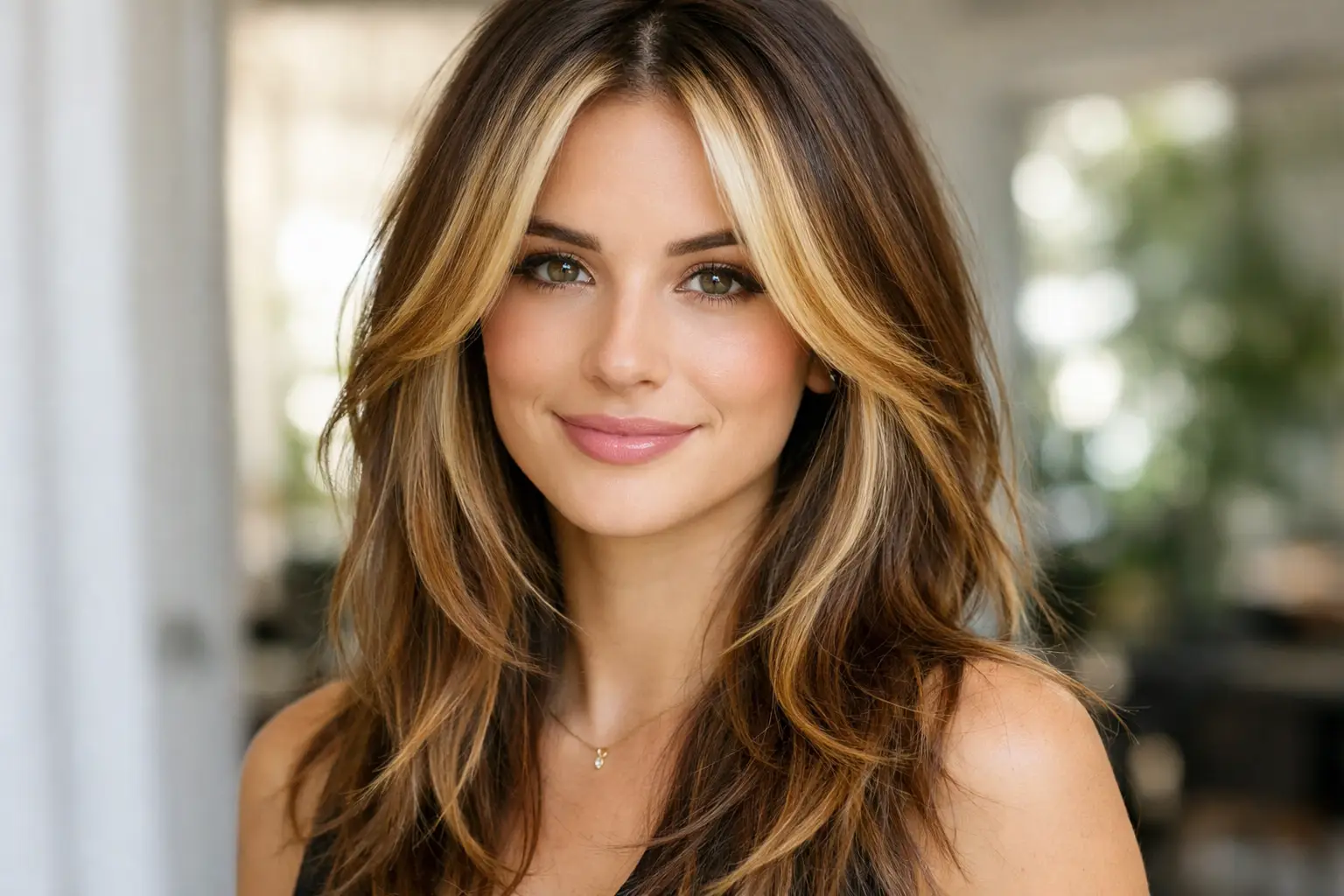
Face-framing layers combined with the money piece technique create stunning dimension that draws attention directly to your features. Money pieces refer to the lightened sections of hair that frame the face, typically in a contrasting blonde or caramel tone. When paired with strategic layering that begins at the cheekbones, this style creates a brightening effect that makes you appear more youthful and vibrant. The layers around the face should be soft rather than choppy, blending gradually into longer lengths. This cut works beautifully across all hair textures and particularly flatters those with square or heart-shaped faces by softening angular features. The color placement enhances the layering effect, making the dimension even more noticeable and adding visual interest. Style with loose waves or straighten for different looks, as both approaches showcase the face-framing elements beautifully.
Graduated Long Layers
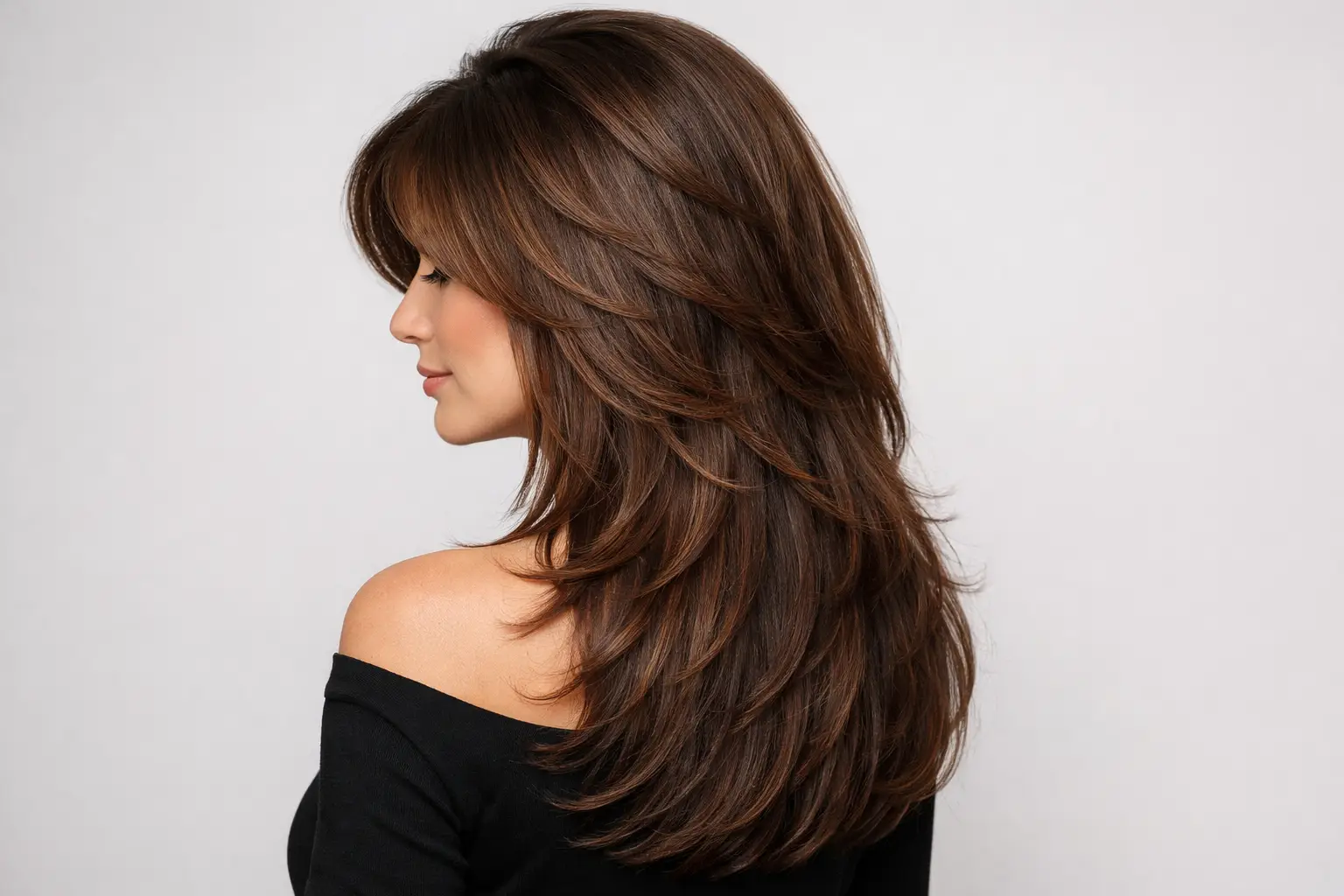
Graduated layers feature a strategic stacking technique where layers become progressively shorter as they approach the crown, creating built-in volume and shape. Unlike uniform layers that maintain similar length differences throughout, graduated layers show more dramatic variation in length, with the shortest pieces at the crown and the longest at the ends. This technique prevents the bottom of long hair from appearing stringy or thin while adding fullness at the top. The graduation creates a rounded, feminine silhouette that flatters most face shapes and works particularly well for those with fine or medium density hair seeking additional body. The cut requires thoughtful styling to maintain the intended shape. Blow-dry with a round brush, rolling sections away from the face and directing them toward the back to enhance the natural lift created by the graduation. This technique creates movement that flows beautifully whether worn straight or with gentle waves.
Soft Blunt Layers
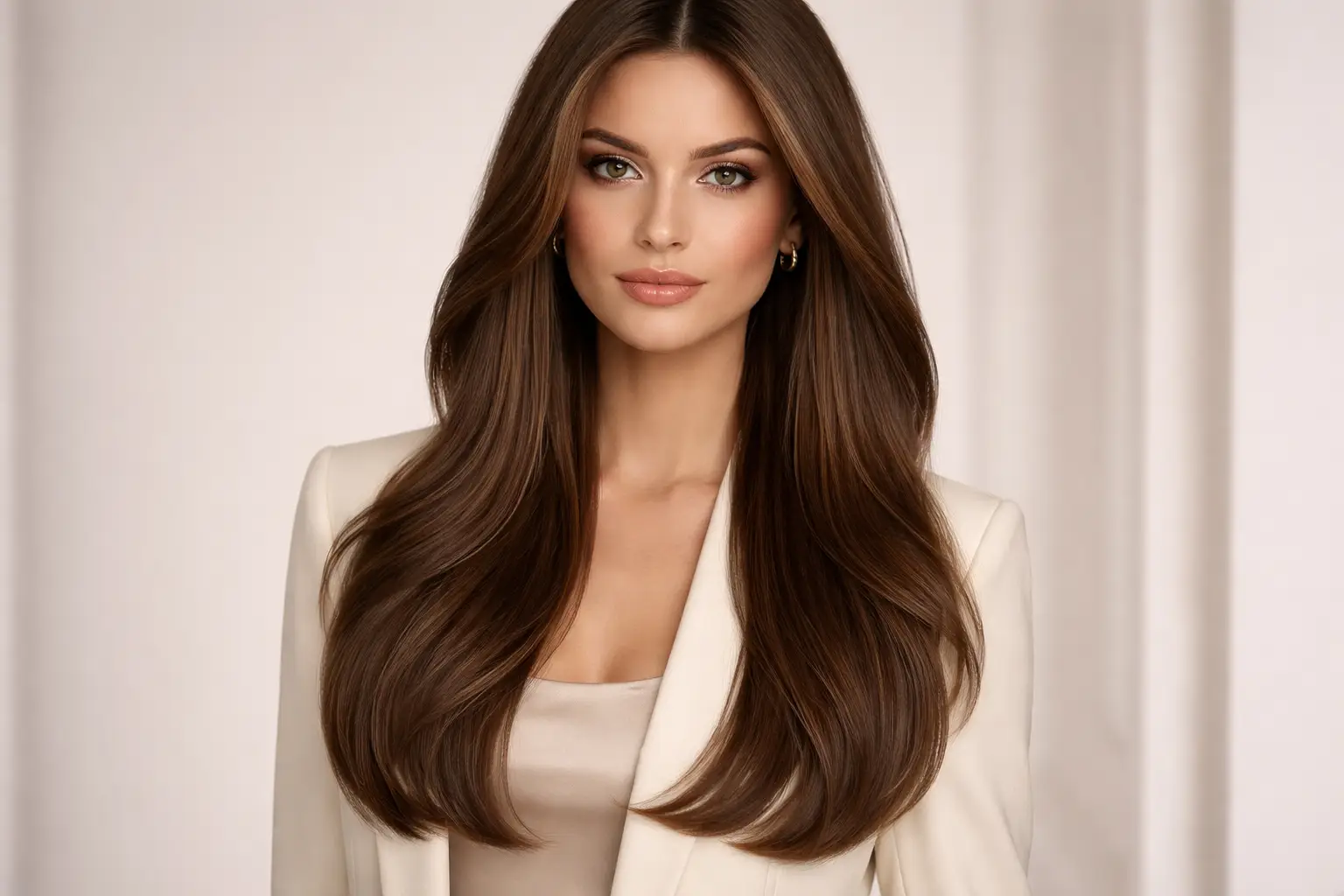
Soft blunt layers offer a refined approach to layering that maintains substantial weight at the ends while still providing movement and dimension. This technique involves creating layers with minimal graduation, keeping most of the length while removing just enough weight to prevent hair from appearing too heavy or flat. The ends maintain a blunt appearance rather than being heavily feathered or textured, creating a polished, sophisticated look. This style works exceptionally well for those who love the appearance of thick, healthy hair and want to keep maximum length. The subtle layering prevents the hair from lying completely flat against the head while avoiding the overly choppy appearance of more aggressive layering techniques. Soft blunt layers suit straight to slightly wavy textures and can be styled sleek with a flat iron or given gentle curves with a large barrel curling iron. The sophisticated simplicity of this cut makes it ideal for professional environments while remaining versatile enough for casual settings.
Wolf Cut for Long Hair
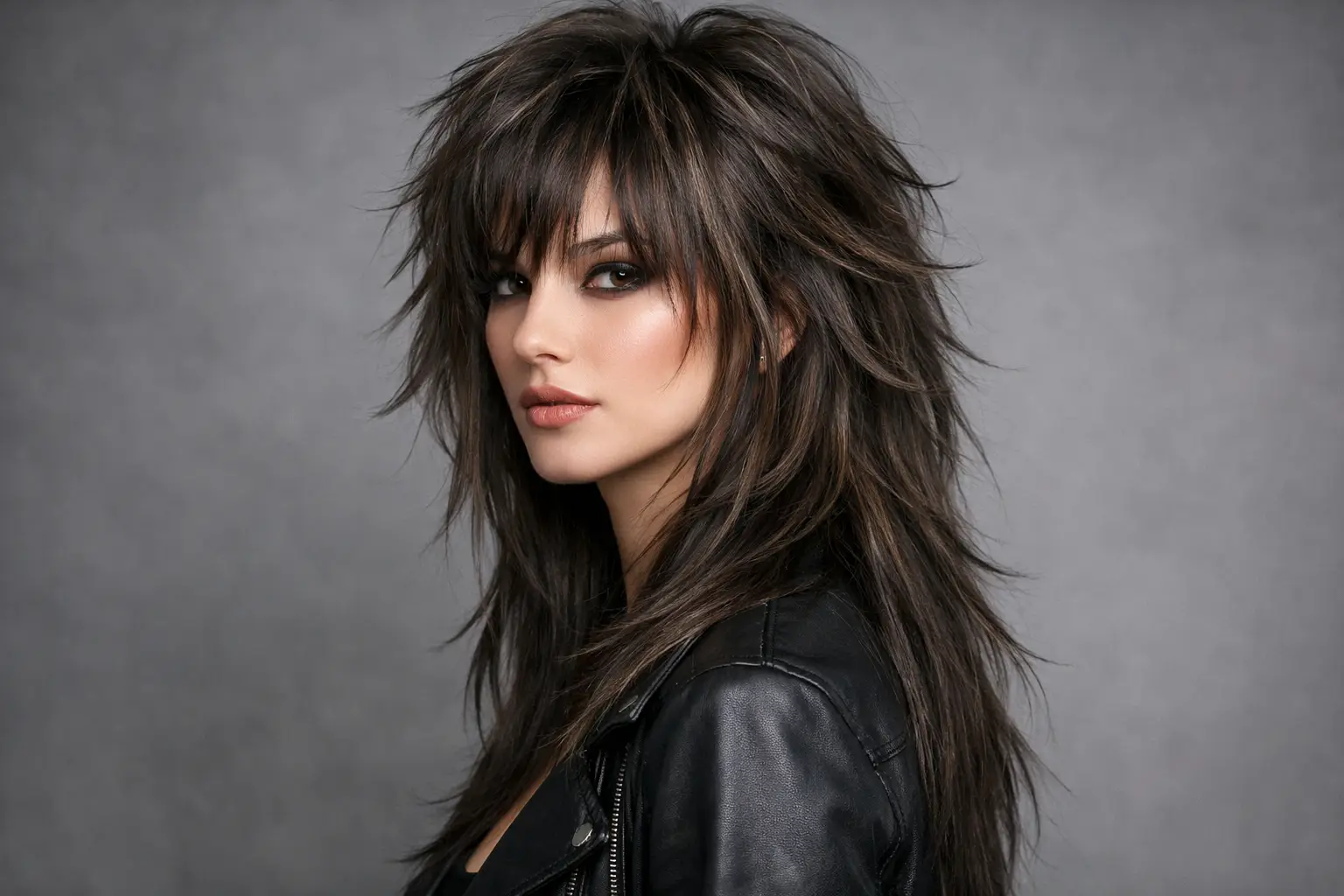
The wolf cut combines elements of the shag and mullet to create an edgy, textured style with significant volume at the crown and face-framing layers. This bold cut features heavy layering concentrated around the top and sides of the head, creating almost a mane-like effect, while the back maintains more length with less dramatic layering. The contrast between the voluminous top sections and longer underneath pieces gives the wolf cut its distinctive appearance. This style works particularly well for thick hair, as the layering removes bulk and creates movement that prevents the hair from appearing triangular or weighed down. The wolf cut embraces texture and actually looks best with a tousled, slightly messy finish. Apply sea salt spray or texturizing mousse to damp hair and scrunch while air drying, or use a diffuser for enhanced volume. This rebellious style makes a statement and works well for those seeking an alternative to more traditional layered cuts.
Textured Choppy Layers
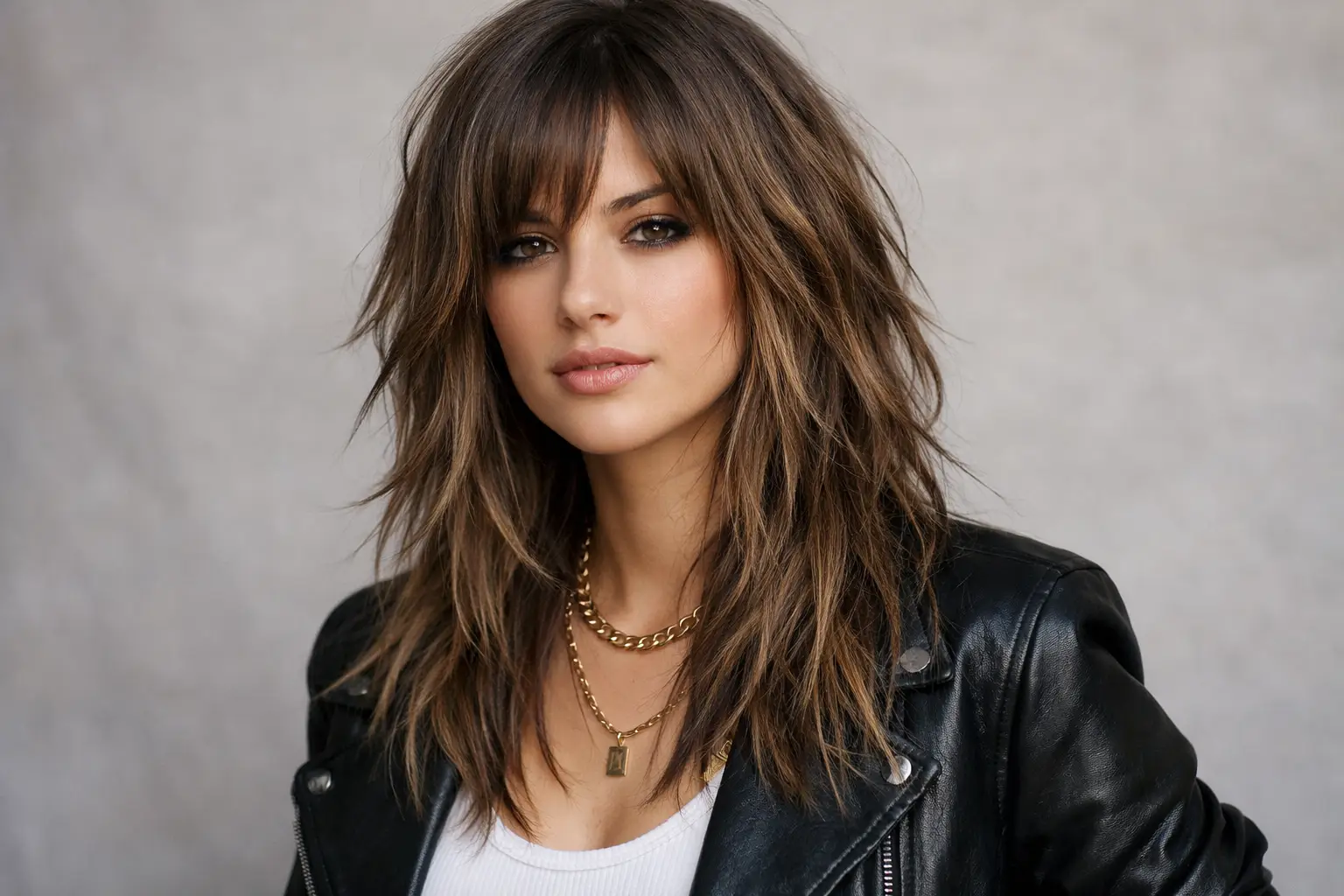
Textured choppy layers create a deliberately piece-y, modern look through point-cutting or razor techniques that produce uneven, separated ends. This approach to layering emphasizes movement and dimension by creating visible texture throughout the length rather than smooth, blended layers. The choppy nature of these layers makes them ideal for wavy or curly textures where the irregular lengths enhance natural patterns. The cutting technique intentionally creates variation in how different sections fall, resulting in a dynamic, lively appearance that moves beautifully. This style reduces the need for precise styling, as the cut itself provides interest and shape. Enhance the texture by applying lightweight styling cream or mousse to damp hair, scrunching gently, and allowing natural texture to emerge while drying. Choppy layers work well for those seeking a youthful, fashion-forward appearance and suit various face shapes by drawing attention to the overall texture rather than specific lines.
V-Cut Long Layers
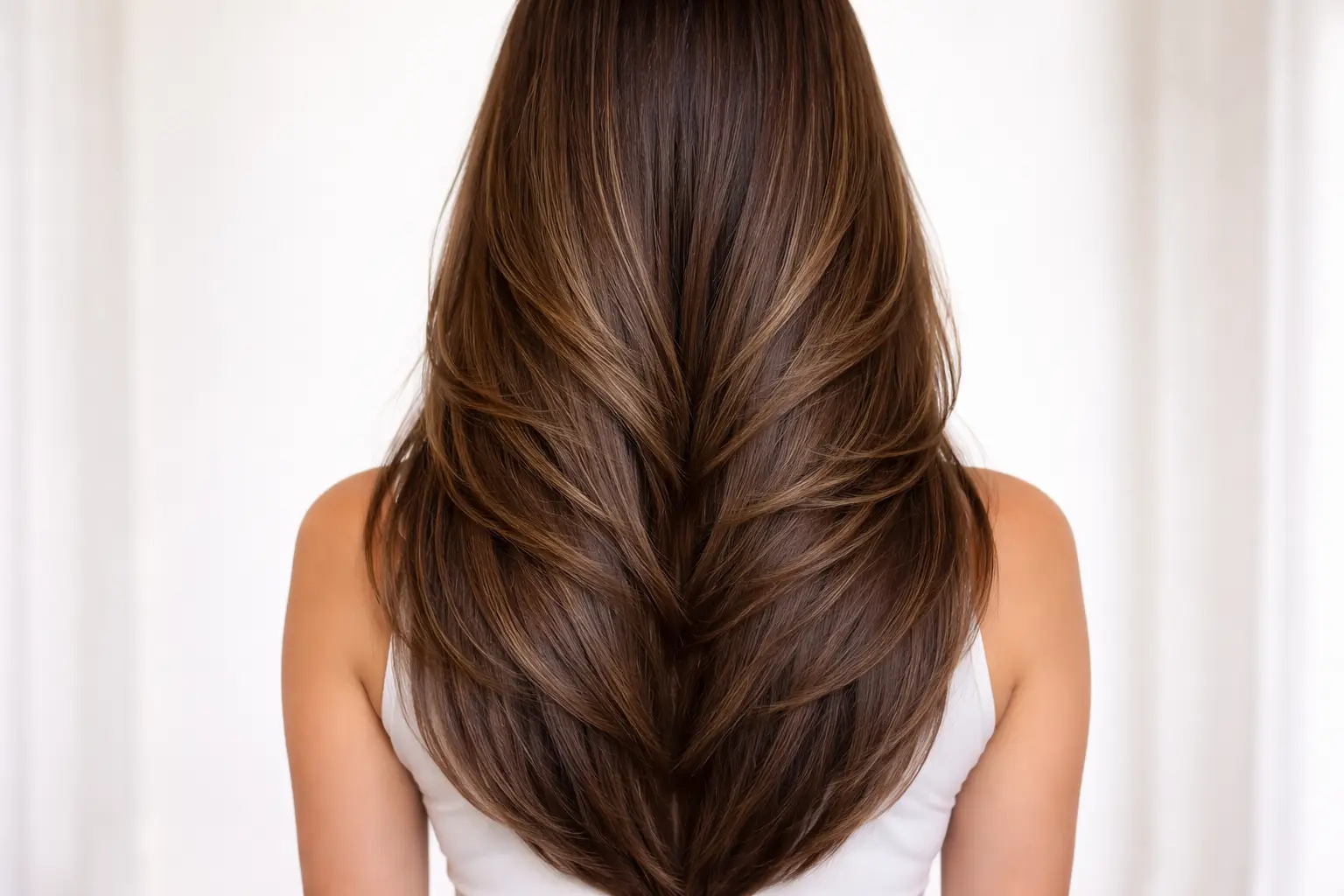
The V-cut creates a distinctive shape when hair is viewed from behind, with the longest point in the center back and slightly shorter lengths at the sides forming a V silhouette. When combined with layers throughout the length, this cut provides beautiful movement while maintaining a clear, intentional shape. The V-cut works particularly well for thick hair, as it removes weight from the sides while keeping length in the back, preventing the triangular shape that can occur with one-length cuts on dense hair. Layers blend into the V-shape, creating dimension without disrupting the overall silhouette. This cut flatters most face shapes and adds interest to long hair when worn down. The pointed shape creates an elongating effect and draws the eye downward, making it particularly flattering for those who want to balance broader shoulders or emphasize their back and waist. Style with loose waves or straighten completely, as both approaches showcase the distinctive V-shape beautifully.
Hush Cut Subtlety
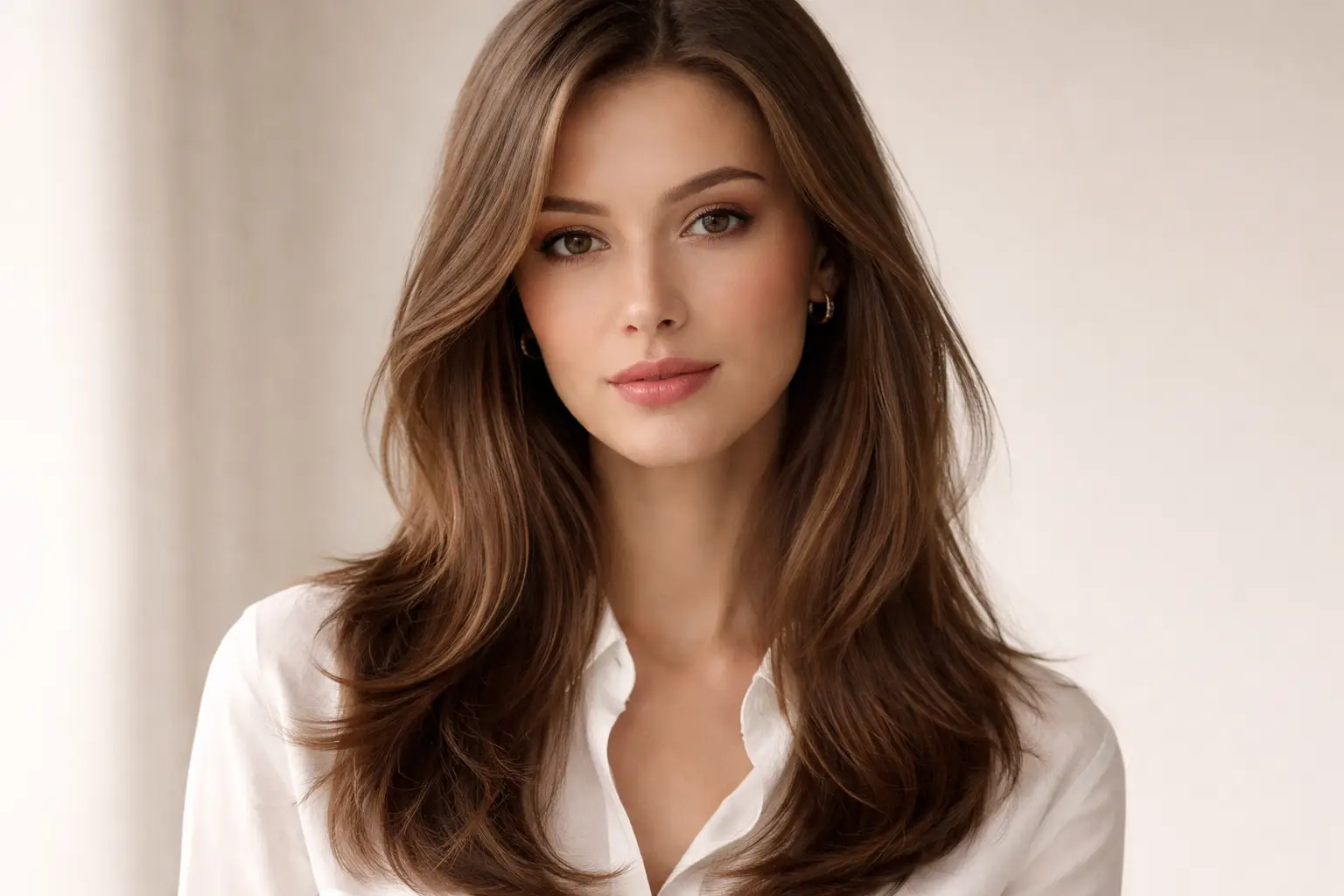
The hush cut represents the opposite of dramatic layering, featuring barely-there layers that create gentle movement without obvious choppy sections or dramatic length variations. This understated approach to layering suits those who want the benefits of dimension and movement without the commitment of a bold, heavily layered cut. The hush cut maintains significant length throughout while incorporating whisper-soft layers that remove just enough weight to prevent flatness. This technique works beautifully for fine to medium hair textures and creates an elegant, sophisticated appearance. The subtlety of the layers means this cut grows out gracefully, requiring less frequent maintenance than more dramatic options. The hush cut appeals to those who prefer classic, timeless styles over trendy, attention-grabbing cuts. Style by blow-drying smooth with a paddle brush and finishing with a light serum for shine, or add gentle waves with a large barrel curling iron for romantic movement. The understated nature of this cut allows your natural beauty and hair quality to take center stage.
Hairstyles for long hair in 2026 celebrate the transformative power of strategic layering. These ten easy layer variations prove that long hair need not be boring or difficult to manage. The right layering technique addresses your specific hair concerns whether that means adding volume, removing bulk, creating movement, or simply providing styling versatility. When choosing among these options, consider your hair texture, density, face shape, and the amount of time you can dedicate to daily styling. Consult with a skilled stylist who can assess your hair and customize the layering approach to suit your individual needs and lifestyle. Remember that proper maintenance including regular trims every eight to twelve weeks keeps layers looking fresh and prevents split ends from traveling up the hair shaft. Invest in quality styling products appropriate for your hair type and the specific layered cut you choose. With the right cut and minimal effort, your long layered hair will turn heads while remaining practical for everyday life. Embrace the dimension, movement, and beauty that layers bring to long hair and enjoy the confidence that comes with a hairstyle perfectly suited to you.
Frequently Asked Questions
How often should I trim my long layered hair?
Schedule trims every eight to twelve weeks to maintain the shape of your layers and prevent split ends. Face-framing layers and shorter pieces around the crown may need attention slightly more frequently, around every six to eight weeks, to maintain their intended length and prevent them from blending into longer sections. Regular trims keep layers looking fresh and intentional rather than grown-out and shapeless.
Will layers make my thin hair look thinner?
When done correctly, layers actually create the illusion of fuller hair by adding volume and movement. The key is working with a skilled stylist who understands how to layer fine hair without removing too much density. Graduated layers, butterfly cuts, and soft blunt layers work particularly well for fine hair. Avoid extremely choppy or heavily razored layers that can make ends appear wispy and sparse.
Can I still wear my long layered hair in ponytails?
Yes, layered hair can definitely be styled in ponytails, though the appearance will differ from one-length hair. Shorter layers around the face will likely fall out or require pinning if you want a completely sleek ponytail. Embrace this by leaving face-framing pieces loose for a softer look, or use gel and bobby pins to secure shorter layers. Low ponytails typically work better than high ones for heavily layered cuts.
What products work best for styling long layered hair?
Product needs depend on your hair texture and desired finish. Volumizing mousse applied at roots before blow-drying enhances body in graduated and butterfly cuts. Texturizing spray or sea salt spray adds definition to shag and choppy layers. Smoothing serum provides shine and controls frizz in soft blunt layers. Heat protectant spray is essential before using hot tools on any layered style.
Do certain face shapes look better with specific layer styles?
Yes, face shape influences which layering approach proves most flattering. Round faces benefit from face-framing layers that start below the chin to create length. Square faces soften with feathered layers and curtain bangs. Oval faces suit virtually any layering style. Heart-shaped faces look great with layers that add width at the jaw. Consult with your stylist to customize layering for your specific features.
1 Comment